Disruption can happen to any industry; we’ve seen it with bookstores, the record industry and travel agents. Now it’s commercial real estate’s turn. Tech has dramatically changed what tenants need from landlords, and you can either ride the wave or let it crush you. Boxer Property president Justin Segal shares how he’s surfing along. Don’t miss Justin and other expert panelists' discussion on Houston’s Future of Tech/Sustainability on July 28.
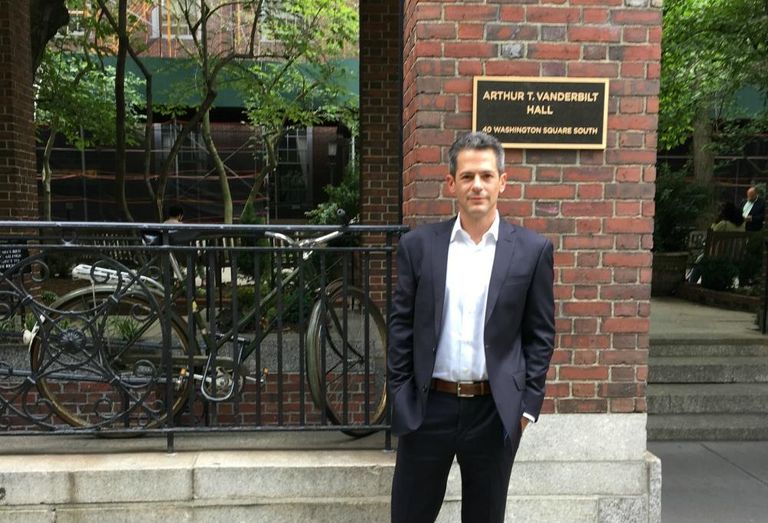
Justin says the commercial real estate world is become data-driven as much as it is space-driven. In Justin’s eyes, tech is disrupting commercial real estate in three crucial ways: the rise of internal data-driven decision-making, social networks and clients communication, and intelligent buildings.
1. Internal data-driven decision-making
Implementing and managing complex analytics is becoming crucial to success in the industry. To stay ahead, Boxer has developed its own data analytics system, which it now markets to clients. Justin says using the data effectively requires more than thought, including restructuring your business. This type of adaptation can be seen by the growing research and analytic divisions at major firms.
2. Communicating with clients, building community

Between Facebook, Twitter and the countless other social networks, it's no stretch to say that social media has been the biggest disruptor of them all. It’s never been easier to stay connected. Landlords, property managers and brokers are leveraging that connectivity to their advantage. The ease of communication means clients and tenants expect more communication than previously. Being social media savvy is not only an essential aspect of marketing, but management as well.
3. Intelligent buildings, digitally enhancing the physical infrastructure
Tenants need more than space, electricity, plumbing and a phone line. The rapid increase in technological infrastructure has increased tenant demands from landlords. Now building owners and managers are wiring their buildings for connectivity and putting in advanced security systems. Tech solutions to physical infrastructure go all the way to the parking garage. Recently, Vorando invested a couple of million dollars in cameras and revenue control systems. The investment led to a 12% to 15% rise in parking revenues as they spotted people on camera skirting parking fees.
Hear more from Justin and other industry tech experts at Bisnow's upcoming Houston Future of Tech/Sustainability on July 28.