
Private hands are reaching into the public markets to pluck out REITs. One traces back to Mukang Cho.
The real estate investor is part of a joint venture that reached an agreement to acquire City Office REIT. The deal was expected to serve as the first drop in an oncoming flood of sector consolidation, though it has been more of a drizzle than a downpour.
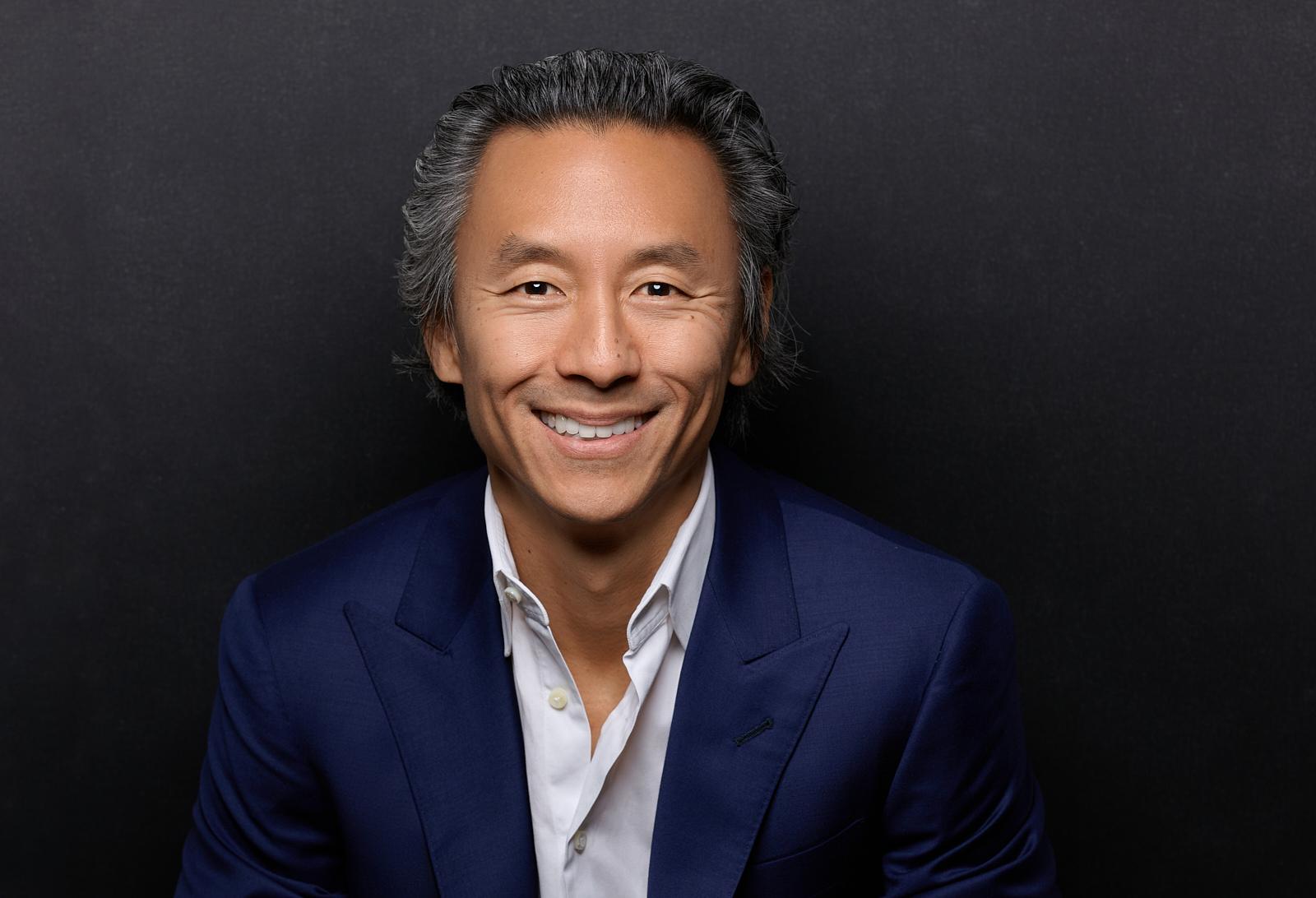
“Almost unequivocally, [small-cap REITs] trade at a discount, and in some cases at a substantial discount to their net asset value,” said Cho, the founder and CEO of Morning Calm Management. “We find that opportunity very intriguing.”
At the beginning of the year, publicly traded landlords started telling investors that they were undervalued and interested in boosting financial performance through more extreme measures, such as restructurings or full-on sales. The median REIT is trading about 17% below its net asset value, according to an October Seeking Alpha report.
That is especially true for smaller REITs, as public markets tend to have a “bias” for big players, Cho said.
“The smaller public companies have had a harder time raising capital, growing and scaling,” he said.
Originally, REITs marketing themselves were expected to spark a hot market, fueled by the massive amounts of dry powder that private equity shops have stocked up over the years. Instead, the opposite happened.
Tariffs and elevated interest rates caused market volatility. Capital retreated, focusing on private credit and distressed debt rather than choosing to buy equity outright.
Though such fluctuations may be more pronounced nowadays, that isn’t unusual for a public company. Nevertheless, Cho said he has spent a lot of time over the past decade eyeing REIT investments for potential take-private targets.
“We've taken positions in a couple other REITs, and before we're about to make an approach, the stock ripped way above where we felt comfortable our takeout price was,” Cho said. “We would simply exit out of those trades.”
Since 2021, nearly $239B of U.S. REIT mergers and acquisitions have taken place. Just under $6B of those are from this year, according to an October Nareit report.
Cho’s deal is among the few that have been recorded, but it hasn’t yet closed. If and when it does, his joint venture with a subsidiary of Paul Singer's hedge fund, Elliott Investment Management, would take Vancouver-based City Office REIT private and take control of its 5M SF of office assets, primarily in the Sun Belt.
The transaction is expected to close by the end of the year. Because of its pending nature, Cho declined to provide additional information on the deal or comment on his partners.
News of the merger broke in July, and it has been followed by several other deals. In September, Rithm Capital announced it agreed to pay $1.6B to acquire Paramount Group, which controls more than 13M SF across 17 assets. Both Rithm and Paramount are publicly traded.
Two more tie-ups were announced last month: Makarora Management and Ares Alternative Credit’s $2.1B acquisition of Plymouth Industrial REIT, and Kemmons Wilson Hospitality Partners and Ascendant Capital Partners' $46.1M deal for Sotherly Hotels. In both cases, the publicly traded companies will be taken private.
There are few instances of public REITs going private, largely because of the complexity of doing so, according to Cho. Blackstone's deals for Retail Opportunity Investments Corp. and Apartment Income REIT Corp. over the past two years have been exceptions.
In its analysis of mergers since 2021, Nareit tracked $200B of public-to-public mergers and $38B of public-to-private deals.
“A lot of investors, they say, ‘Gee, why go through all that if I can just take a more rifle shot approach and acquire assets for which I can almost draw up the criteria,’” Cho said. “I’ve always loved portfolio transactions of any kind, mainly because they create a lot of optionality and levers that you can pull.”
Although the cost of capital is coming down as interest rates ease and asset managers continue to seek ways to grow, such complexities may hold investors back from pulling REITs off the public market.
“My sense is you're not going to see the floodgates open all of a sudden,” Cho said.
)
)
)
)
)
)
)
)
)
)
)
)