The battle with city departments in Los Angeles for approvals and permits is, for many, a challenge second only to trying to get power to a project.
Southern California Edison, a major power utility serving customers in central and Southern California, is seeking ways to let developers know that they need to start outreach to the utility when they begin the entitlement process if they want the process to go quickly and smoothly.
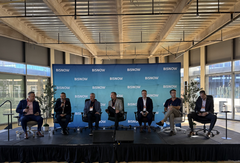
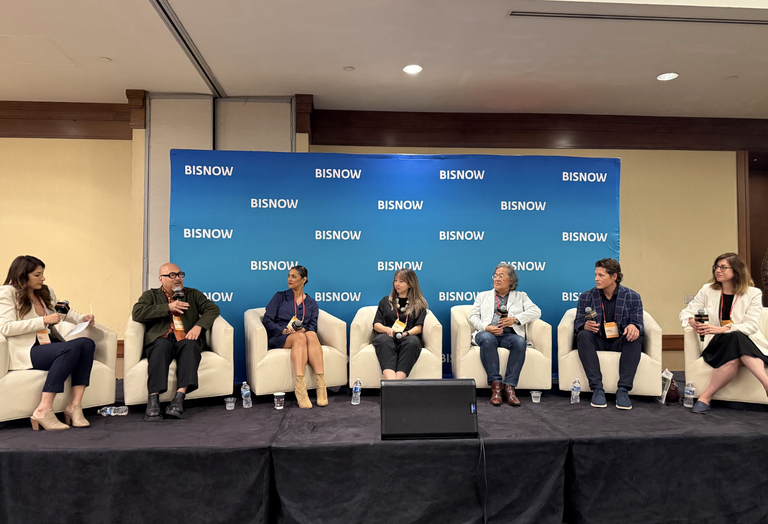
Southern California Edison Senior Advisor Ruby Rose Yepez told attendees at Bisnow’s Southern California Architecture and Design Summit that she and the utility are urging the development community to initiate conversations about power needs as soon as possible.
The demand for power is so great that most new projects will necessitate some kind of time-consuming upgrade to come online, meaning developers should have the conversation at the beginning of the entitlement phase, she said.
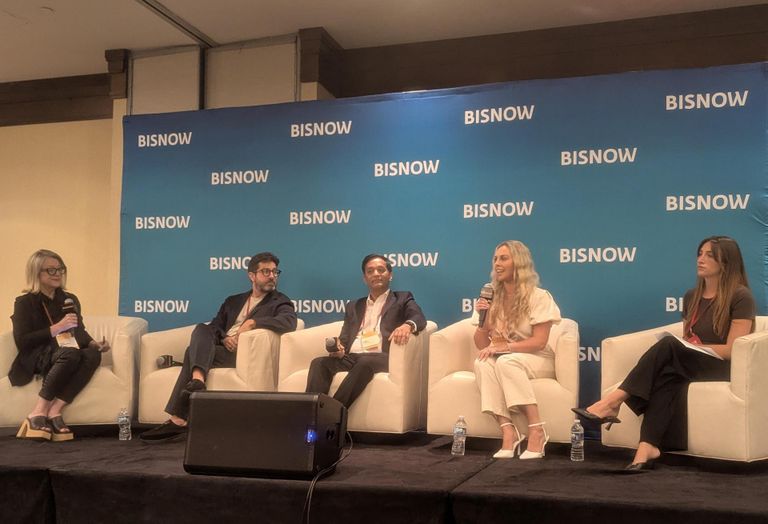
California is at the nexus of several factors putting pressure on its power supply. The state has ambitious clean energy goals, but it is also preparing for transportation electrification as well as the demands of data centers, Rose Yepez told the audience at the Omni Los Angeles Hotel.
Delays in supplying power to new projects slowed the delivery of some industrial projects to the east of Los Angeles long before the rise of electricity-hungry data centers.
But that sector alone has goosed the demand for electricity rapidly and beyond what many utilities nationally expected, indicating further delays or worse issues, such as blackouts, could be on the way.
If a project requires upgrades to the power infrastructure, those can take three to 10 years, depending on the type of upgrade needed.
It is often a big surprise for developers and city governments to find out how long things can take, Rose Yepez said.
“We've even had some cities who are planning these grand parks, and they're coming to us, like, ‘OK, we're ready for power.’ We're like, ‘Well, you should have started working backwards like five years ago,’” she said.
Parks and green space are of high interest for cities that are looking at incorporating elements of the 15-minute city concept, which strives to offer residents amenities including green space, grocery stores, restaurants, schools, healthcare and more within a 15-minute walk, bike ride or transit ride of their home.
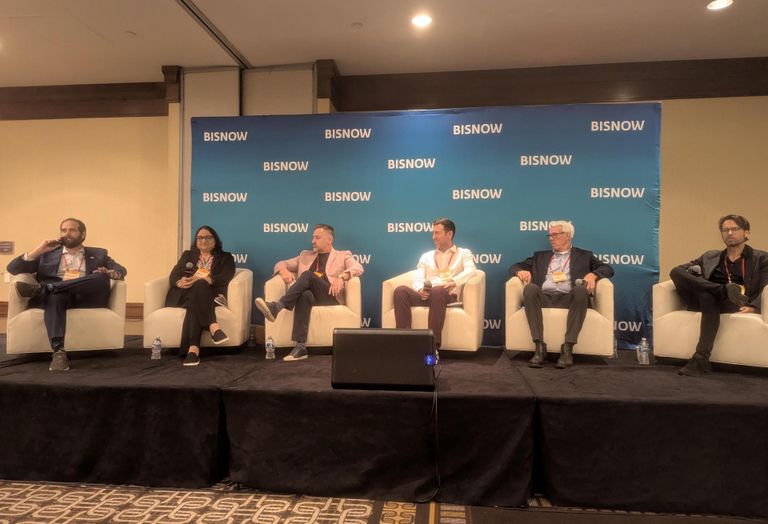
“Walkability is really key to creating a 15-minute city, so making sure that there's like a mix of uses in the community, that there's places to walk to and from, and those walks are pleasant walks to have,” said Michelle Levy, a senior city planner in the Los Angeles Department of City Planning’s Urban Design Studio.
That last part — making the walk comfortable and attractive — is critical to the success of the districts and the properties within them.
“You can have a 15-minute city, but if your 15-minute walk feels like a 15-hour walk because the sun is beating down on you, it's just not going to work,” Levy said.
Los Angeles has turned its attention to the need for expanded shade infrastructure. In the lead-up to the 2028 Olympic and Paralympic Games, the city launched an initiative, ShadeLA, an initiative to expand the city’s cooling infrastructure, especially trees, the Los Angeles Times reported in early August.
With more and longer heat waves in Los Angeles’ future, stakeholders and government officials are realizing that trees and shade are critical elements of the city’s infrastructure that serve an important function, especially in neighborhoods with lots of pedestrian activity and limited air conditioning access.
Access to shade, the initiative argues, will be especially important as the Olympics bring tens of thousands of travelers to a city it is encouraging them to traverse on foot and public transit.
Levy told a story about seeing a variety of inexpensive, man-made shade structures while on vacation that provided respite from the sun in the absence of or in addition to shade from trees.
“I would love for us to get out of our own way and just do things like that and do lots of experiments with how to create these spaces inexpensively,” Levy said.