With the state’s continued population growth, multifamily investors always have an eye on Texas. But which city is catching their attention? San Antonio. It is in what investors dubbed "the Goldilocks zone."
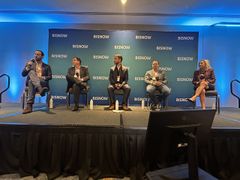
Texas’ two largest cities have been making headlines for opposite reasons. Dallas is so hot it has some investors worried. Headlines are painting Houston red due to the oil and gas downturn, causing many investors to look over the city altogether. Both multifamily markets are full of questions for investors. Panelists broke down the trend at Bisnow’s San Antonio Multifamily Expansion last week.
"You know what you’re going to get in San Antonio. We have good employment, good rent growth, good occupancy. This market won’t experience the highs and lows of other markets," Westmount Realty Capital senior director of acquisitions Michael Anderson said.
Moderator Will Balthrope, executive director at IPA, summed it up. "San Antonio is slow and steady."
Innovative Multi-Family CEO Graciela Ybarra agreed with Forbes that San Antonio is America's next boomtown. “The city has such a strong, diverse job growth, that’s what holds us together for the future of multifamily.”
GrayStreet Partners managing director Kevin Covey is drawn to San Antonio for the same reason but from a different angle.
“I grew up in San Antonio. I was perturbed at how slow and steady it really was. For a long time, San Antonio didn’t have entertainment and nightlife options," Covey said. "San Antonio is a large city with a low cost of living and good disposable income. The things I find attractive about San Antonio are the things that are missing. 2017 is going to be a really exciting year."
Anderson is not so optimistic, saying data sources are projecting a slight slowdown, from 3% to 4% rent growth to 2% to 3%.
But the big conversation is interest rates.
"We live in a higher interest rate world," Covey said, "but if you’re faced with a deal where a 50, 100 or 150 bps change made a drastic change to your project, that’s probably a bad sign to begin with."
Tim Cone, vice president of development at The NRP Group, also is a little concerned about a slowdown, "but I think it will focus the market. The market has to focus more on the quality and story of developments instead of just putting a unit on the ground. It’ll sharpen everyone’s pencils and the right deals will get done."
The steady nature of San Antonio will keep it on course in 2017, even if growth slows somewhat. Balthrope had the final word.
"For me, 2017 is exciting. I think we're in the middle of a long real estate bull cycle," he said. "I don't think we're at the end of anything. We're having a little bit of pause as we absorb."