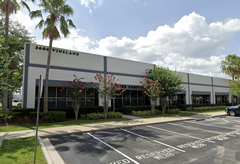

As millions of Americans continue to work from home or return to offices with reduced occupancy levels, commercial real estate owners and property managers are forced to ask themselves some tough questions about how to avoid wasting energy. Should they keep the air conditioning on when no one is there? How about unplugging the refrigerator? Should computer monitors, scanners, printers and copy machines remain plugged in?
Many businesses were already struggling to manage their bottom lines as a result of the coronavirus pandemic, and now they are facing energy efficiency challenges and bills that need to be paid while their cubicles, conference rooms and corner offices remain vacant or partially occupied.
“Across Florida, we are seeing property owners and managers struggling to manage their energy usage on empty or partially occupied offices,” said Andy Marin, director of major and governmental accounts for Florida Power & Light Co. “Businesses need budget solutions they can implement quickly and efficiently to save on energy bills.”
FPL has come up with a three-step process for solving pandemic-related energy challenges. The first is addressing the immediate impacts, the second is raising overall energy IQ, and the final step is knowing the resources that can provide long-term value. Bisnow recently spoke with Marin and he explained each of these steps and how they are helping Florida’s commercial real estate industry reduce energy costs during these complicated times.
Step 1: Address The Immediate Impacts
Right now, many businesses are experiencing two key impacts from the pandemic: lost revenue due to business interruptions and energy bills that still come even though offices are empty or at reduced capacity.
To address the first impact, FPL jumped into action at the start of the pandemic to keep customers facing financial hardships connected. FPL offered payment extensions, helped businesses manage past-due balances and waived late fees. The company has also been keeping tabs on COVID-19 developments and connecting customers with federal, state and local agencies that offer assistance.
As for the second impact, Marin said that when offices are closed or at partial occupancy in their buildings, they should turn off unnecessary lights, machines, technology and appliances, and adjust the lighting in the parking garage or lot whenever possible.
He added that FPL offers a free, comprehensive business energy manager tool that can help companies efficiently track and control their business energy usage.
Step 2: Raise Overall Energy IQ
To raise their energy IQs, Marin said owners should understand what makes the largest impact on their energy bills, how to reduce their usage and how to get their employees on board with making energy savings a priority.
At a typical commercial property, the HVAC system accounts for 40% to 70% of a monthly bill. Owners and property managers can reduce HVAC-associated costs by avoiding cooling unused spaces and raising thermostat settings when businesses are unoccupied. Programmable thermostats can help ensure that HVAC systems are not working overtime when no one is in the building. Owners should also regularly change their HVAC filters and regularly maintain their systems to ensure the unit is performing optimally.
He added that it is especially important for businesses to understand their energy demand. By activating FPL’s tool, owners and property managers can pinpoint the highest 30-minute level of electricity demand for each billing period. They can also analyze which businesses are using the most energy and help their tenants reduce usage. The tool also allows owners and managers to compare their energy usage to similar businesses and project future bills.
“Companies should make energy efficiency a team sport,” Marin said. “By educating employees on the importance of conserving energy, both for the good of the company and the environment, companies can see a major reduction in energy usage and their bills.”
Step 3: Use Tools Like The Business Energy Manager For Long-Term Value
Owners who are hoping to cut back on energy costs during these difficult times should take advantage of resources available to them that can provide long-term value to their business.
Marin said that along with FPL’s energy manager, which also offers access to tips and customized solutions that can save companies $500 a year on energy costs, FPL offers free business evaluations. These evaluations are conducted by energy experts who can audit a company’s energy use and deliver a free, customized report with personalized energy-saving solutions.
“Every commercial property’s energy use is unique, which is why one size does not necessarily fit all,” Marin said. “At FPL, we want to provide business owners with tools to understand and lower their energy usage so they can focus on what’s most important: running their business.”
This feature was produced in collaboration between the Bisnow Branded Content Studio and FPL. Bisnow news staff was not involved in the production of this content.