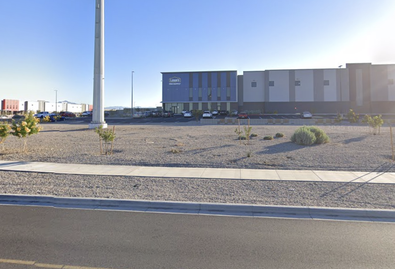
As medical office building construction shrinks to its lowest levels in a decade, developers are eying vacant office space to repurpose for healthcare use. However, just as with office-to-multifamily conversions, there can be significant restrictions to converting vacant office to MOB.
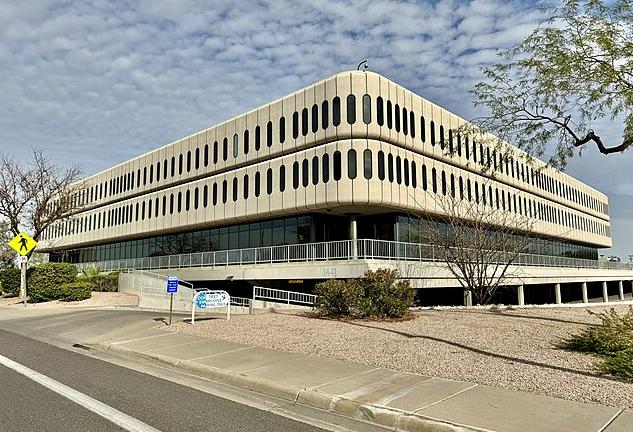
Completion of construction of new medical office building space is expected to drop by 26% in 2026, continuing the acceleration of a shrinking construction pipeline in this sector, according to a January CBRE report. Developers are shying away from MOB projects because of a combination of falling government reimbursement rates and rising costs for materials and labor.
Despite these headwinds, outpatient revenue has increased by 45% since 2020, compared to 16% for inpatient care, according to a Colliers report on the CRE landscape in 2026
But because of this scarce pipeline for new space, developers of healthcare space are examining whether office conversions can make sense economically, a CBRE analysis finds.
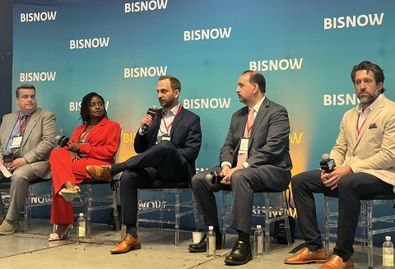
At the Bisnow Phoenix Healthcare Real Estate Forum this month, office conversions were a topic on the minds of healthcare developers. Speakers agreed that some office conversions hold promise but also warned that not all office space is created equal when it comes to MOB conversion potential.
“You can’t do a three-story office building with no gurney-sized elevators,” said Tricia Talbot, Doc Properties managing principal, speaking at the event at the Kimpton Miralina Resort & Villas in Scottsdale. “It would be completely limiting yourself, and then the cost of making a custom gurney-sized elevator becomes prohibitive.”
Build-to-suit has its own complications in the rapidly changing landscape of healthcare delivery. New construction doesn’t just take more money, it also takes more time, said Jamie Northam, senior vice president of healthcare development for Ryan Cos. Office conversions offer an advantage in that regard, she said.
“Speed to market is so important with healthcare facilities, as they're evolving so rapidly,” Northam said.
There was a slight increase in demand for healthcare space at the tail end of 2025, with vacancy inching down from 15.2% in Q3 to 15% in Q4, according to a Kidder Matthews report released earlier this month. During that time, asking rents increased as well, from $31.58 to $33.32 per SF.