The Mission District is changing, as lower middle class families flee to less expensive digs. Whereas half the Mission was households pulling in less than $50k/year in 2000, that tax bracket only makes up a third of the neighborhood today. So, how do we solve this problem? Supervisor David Campos has an idea.

Earlier this summer Campos proposed a 45-day moratorium on market-rate housing construction so the community can come up with a plan to keep residents in their homes. The ban would halt planning approvals, demolitions and building permits for multifamily projects in the Mission, with the exception of 100% affordable developments. The plan was rejected on June 2 but didn’t go quietly into the night. Instead, affordable housing and progressive groups got together, and with the help of $25k from SoMa affordable housing advocacy group TODCO, they got enough signatures to land a similar proposal on the November ballot. The moratorium could be extended to up to 30 months.
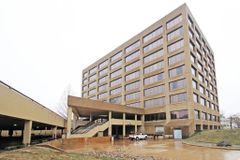
The plan would affect roughly 33 proposed projects and stall about 1,500 units. Developers like Lennar Urban would be affected, as would projects like Nick Podell Co’s 2000 Bryant, and Maximus Real Estate Partners’ controversial “Monster in the Mission” (pictured). There's still some question over what's to blame for all this. Ellis Act evictions, insanely high rents, and luxury condominiums that are slowly making the neighborhood less recognizable? Only 627 units were built in the Mission between 2010 and 2014, and less than 10% of those were affordable for families of four earning up to 120% of the AMI, or $122k.
Supporters of a moratorium include supervisors Campos and Eric Mar, TODCO activist John Elberling, Rev. Amos Brown, poet Diamond Dave and mayoral candidate Amy Farah Weiss, as well as neighborhood advocacy groups like Causa Justa. Campos believes the old way of relying on luxury developments to help increase affordable housing hasn’t worked and won’t work. He feels the moratorium will be a good opportunity to study strategies for creating more affordable housing. Supervisor Mar agrees, saying it would save the Mission, which is losing its diversity. Elberling argues that market-rate housing becomes a snowball effect that changes the character of the neighborhood.

On the other side of the coin are the many detractors. There’s the staff of the San Francisco Housing Action Coalition, the College Democrats from San Francisco State, developer Joey Toboni, Mayor Ed Lee (pictured), supervisors Mark Farrell, Scott Wiener, Julie Christensen and Katy Tang, and planning commissioner Mike Antonini. They believe the proposal will only add fuel to the fire, boosting the value of existing units, and leading to more evictions. Supervisor Farrell says he’s getting emails from owners thanking him in advance for hiking up their property values. He says halting market-rate construction ultimately halts affordable housing. Meanwhile, Kristy Wang, community planning policy director for the San Francisco Planning and Urban Research Association (SPUR) says development is being blamed when the culprit is actually the lack of development. As for the experts? Economists think all the political hurdles San Francisco developers have to jump over don’t help the housing crisis, but they also agree that just building luxury alone doesn’t solve the problem either.
As it stands, the city and advocates for affordable housing in the Mission are trying to put their heads together for a solution. Planning director John Rahaim mentioned the possibility of a package of strategies that might include incentives for market-rate developers to build affordable housing and land banking sites for future affordable developments. The Planning Commission will also vote on interim controls that would slow down construction for the next six months, and exempt projects like 2000 Bryant and 1979 Mission St, although moratorium supporters feel such measures would defeat the purpose of the ban. Voters will get their chance to officially make their voices heard Nov. 3.