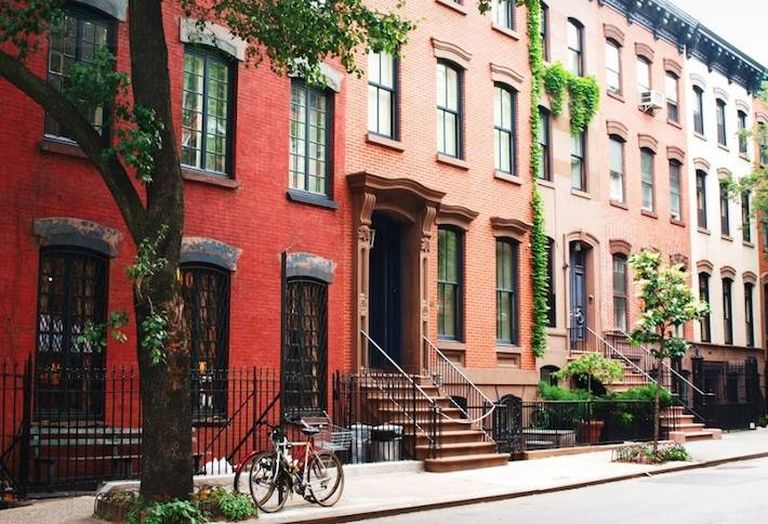
REBNY just released a new report showing that neighborhoods with more historic districts lost more rent-stabilized units than neighborhoods with fewer historic districts between 2007 in 2014. According to the report, the number of rent stabilized apartments in historic districts plummeted 23% to just 34,457 as opposed to a 5% loss in areas with fewer historic districts. The neighborhoods that lost the most rent-stabilized housing were Greenwich Village and the UWS. However, Crain's reveals that the report was designed to refute the pro-landmarking argument that historic districts help preserve affordable housing. Data for the report was collected by blogger John Kraus, who used tax bills to determine the number of rent-stabilized apartments in each building. REBNY used those numbers to show the change in the number of rent-stabilized apartments. The Greenwich Village Society for Historic Preservation responded to the report by saying it failed to address the real question: How many units would have been loss if those areas were not landmarked? [Curbed]