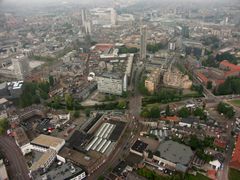
A solution to the housing shortage plaguing the Netherlands may well lie within another dwelling — the house of God.
Churches often occupy large prime plots in cities and villages, offering scarce land in a country where space comes at a premium.
As congregations shrink and consolidate, and the cost of living goes up, churches of different denominations across the country are quietly bolstering the property market.
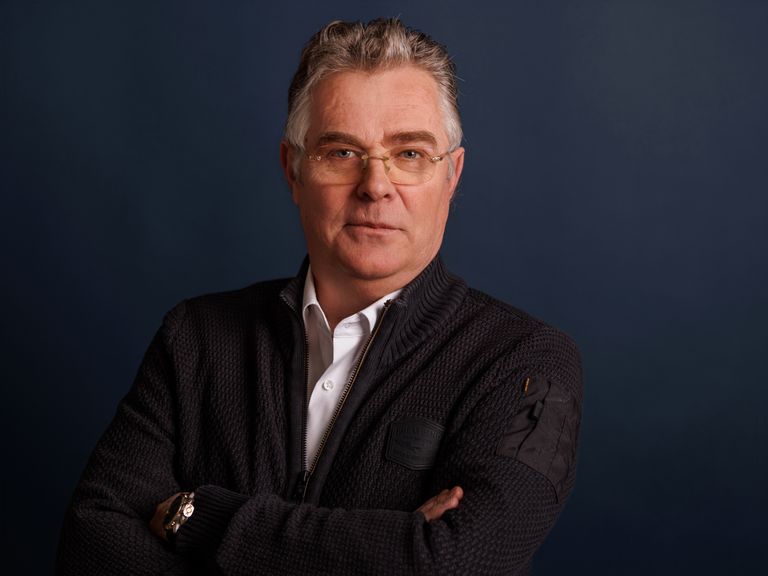
"If you're sitting in a big space that was originally built for 100 people, but there are only 10 coming on a weekly basis, well, then something has to be done," Arjan van de Ruit, owner of Reliplan, a firm that specializes in religious and cultural heritage real estate, told Bisnow in an interview.
Reliplan has facilitated the sale, repurposing and purchasing assistance of more than 1,000 churches since it was established in 1991.
"Over the past few years, we've witnessed how the traditional way of attending church has changed," Van de Ruit said.
Converting churches to other property types is far from simple, but it does offer a pipeline of potential new sites to developers.
The Netherlands was predominantly Catholic from the Middle Ages until the 16th century and then Protestant, mostly Calvinist, up to the mid-20th century.
But that changed following the second world war. Depillarization, paired with modernization and growing education levels, led to the rise of secularism. The percentage of the Dutch population age 15 and older that identifies as religious fell to 42% in 2025, according to Statistics Netherlands CBS.
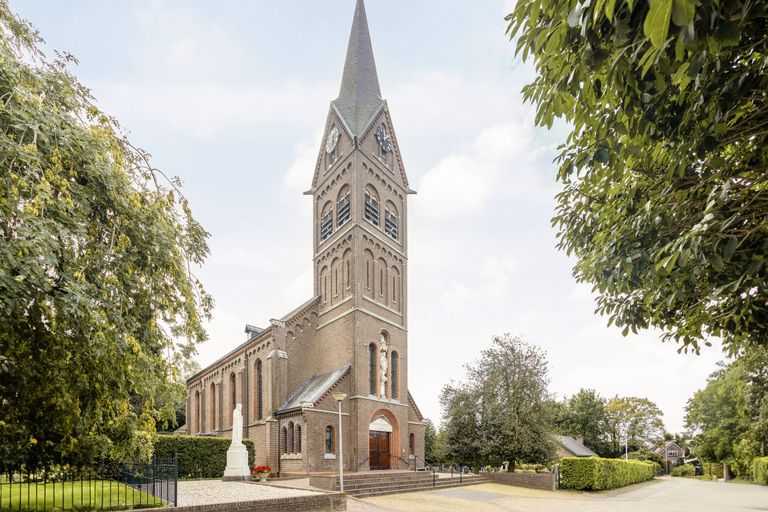
Fewer worshippers means fewer donations to fund upkeep, repairs and daily running costs. As a result, the number of churches for sale continues to rise.
This summer, the Roman Catholic parish of Mary, Star of the Sea, announced the impending closure of four of its seven churches in The Hague. The closures, the result of an "extensive vitality assessment," are part of the parish's long-term vision for 2026-2035 to ensure it can continue to serve its community.
Around 1,800 churches are predicted to lose their religious function within the next decade, from the 4,400 or so active churches in the country, according to data from Reliwiki, an open-access database for religious buildings. Highlighting a broader trend, these cultural buildings also offer a potential pipeline of sites that can be acquired and converted into commercial real estate.
However, the potential redevelopment of these religious buildings isn’t straightforward. Church conversions not only depend on the state of the building, the location and the land but also the denomination. For example, according to the Vatican’s Code of Canon Law, Catholic churches can be put to "profane but not sordid use.”
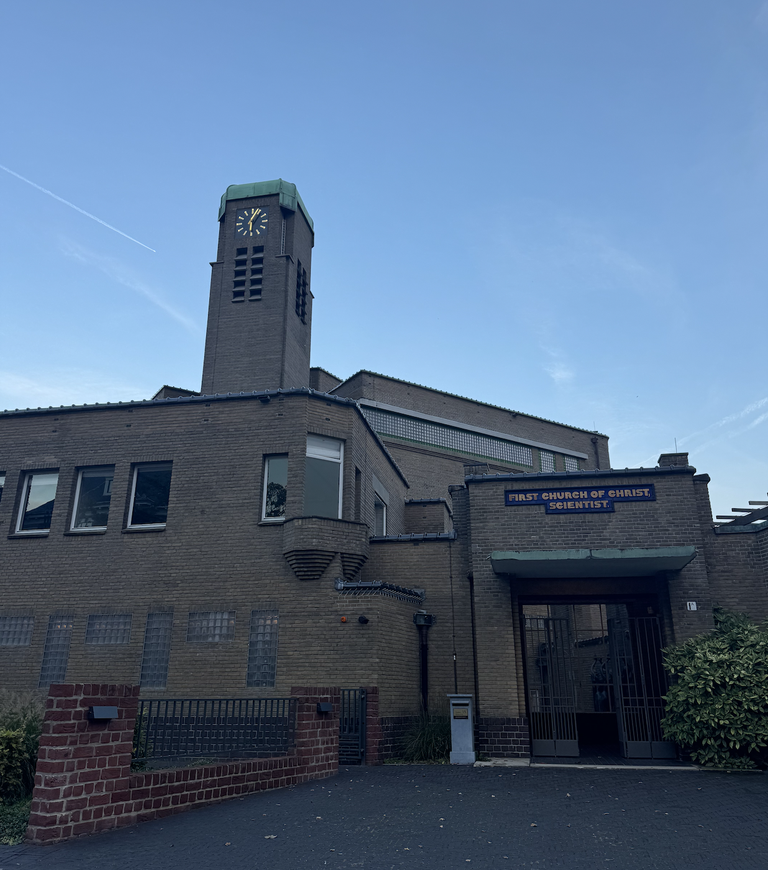
Any Catholic church changing hands must first be removed from religious use by a diocesan bishop, after consulting his priest's council, and then all sacred art and items removed from the property.
Secular uses such as housing, libraries and offices are allowed, but other uses, such as a bar or nightclub, are not, limiting the commercial use of former Catholic churches in the Netherlands.
These restrictions play a big role, as Catholic churches in particular are going up for sale more often in the Netherlands.
"Traditional Protestant churches are also going up for sale more often," Van de Ruit said.
"But I'll be honest, it’s really bad for Catholic churches,” he added in terms of attendance and the deconsecration of churches.
The decline is expected to continue, with the Protestant Church in the Netherlands and the Roman Catholic Church each likely to take up to about 75 buildings out of use per year, according to the November 2024 report Kerkenvisies feiten en inzichten 2, published by the Dutch Ministry of Education, Culture and Science.
With more than 35 years of experience, Van de Ruit, a devout Christian himself, admitted that it is his personal mission to keep as many churches as possible functioning as a place of worship.
"These are houses of God, so I do everything I can to keep religious real estate properties as churches," he said.
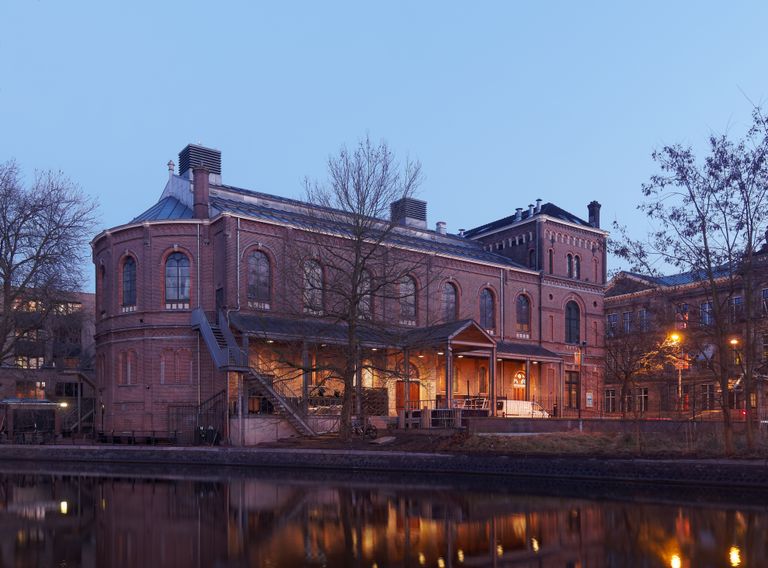
Even though Van de Ruit is in contact with hundreds of church organizations, many of the churches and monumental buildings he sells are to project developers with redevelopment in mind.
"Redevelopment depends on the church building, because every church is different. The options in terms of what you can do with a church vary as well," Van de Ruit said.
"Can it be redeveloped into housing, like apartments? If so, how large is the plot of land you can use? Can you build additional housing in the garden, for example? Can you maintain some of the church building to be used as meeting rooms or office spaces? It is totally different per church."
More and more churches are being turned into residential housing in the Netherlands. For example, the heritage-listed Protestant Julianakerk in Sassenheim was sold to Holland Vastgoed Groep for approximately €2M this summer and will be turned into assisted living apartments, with construction expected to start in April 2028.
But others are being turned into libraries, community centers or even health centers.
"It depends on the location, the amenities available in the direct vicinity and the state of the building," Van de Ruit said.
In his role, he helps determine the eventual repurposing of the church, a factor that adds to its final value.
"I estimate that 80% of the church sales we have advised on have been repurposed over the last 30 years," he added. "But in the last three years, we have managed to preserve more than 50% as churches."
In total, 72% of the Netherlands’ places of worship are still in religious use, while the rest have been repurposed or are being converted, according to the Kerkenvisies feiten en inzichten 2 report.
Of those church conversions or redevelopments, 38% center on cultural or societal uses, such as museums, village centers or venue halls, and 32% are being redeveloped into housing or residential purposes with a business use, as the report highlights that living in a former church is becoming increasingly common.
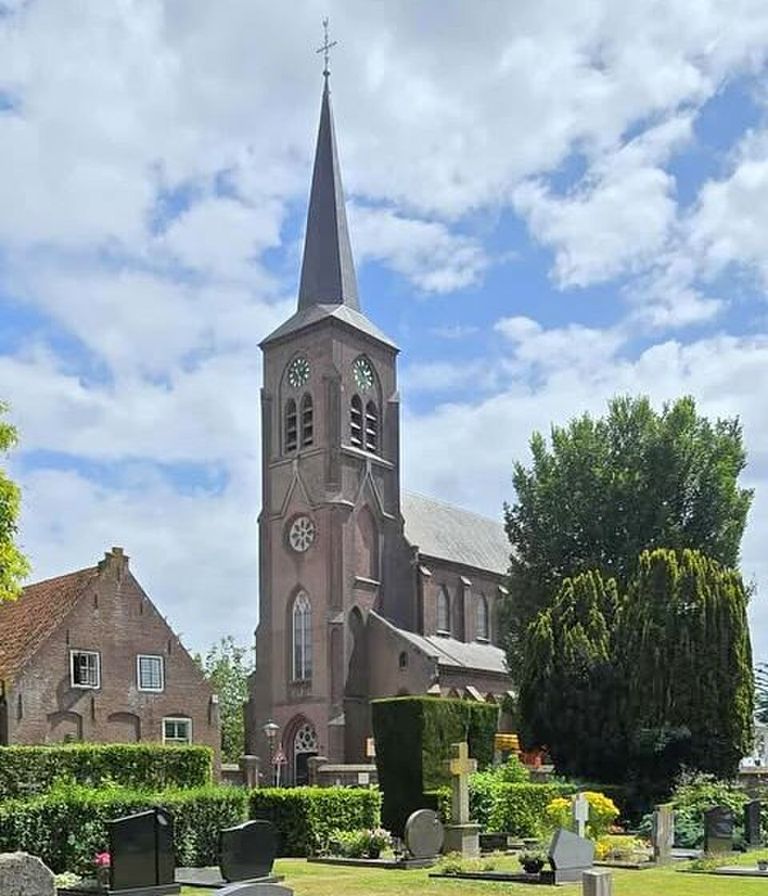
Offices and businesses make up 9% of church conversions; recreation, hospitality and tourism 7%; care and health 5%; and education, retail and other uses 3% each, according to the report. Some buildings keep a religious function by passing to migrant or new international congregations, such as the Sint-Servatiuskerk in Megen, for example, which has belonged to the Romanian Orthodox Church since 2023.
Converting a church remains a delicate process, one that requires a specialist touch, according to Van de Ruit.
"I have to work both ways, and I do more than just buy and sell," he said. "I don't see myself as a regular real estate agent who is just buying and selling boxes. I see myself as a heritage specialist."
Managing the emotions and worries of the congregation concerning the fate of their church is one aspect, but a church broker specialist must also deal with zoning regulations, the local municipality and all bureaucracy linked to changing the purpose of a monumental building with cultural and heritage significance.
An intricate process, it takes two to three years on average to complete the sale and redevelopment of a church, requiring a well of patience along with knowledge.
In addition, the Environment and Planning Act, which came into force on Jan. 1, 2024, with the aim of simplifying and speeding up permit and planning procedures, has only made things more difficult, Van de Ruit said.
"I have seen some church redevelopments take up to 10 years to finalize."
The added time to the pipeline does not seem to deter project developers, even as the value of churches continues to shift.
Fully grasping the potential commercial opportunities and the limitations of monumental buildings while respecting the views of the denomination remains a fine line to walk. While Dutch society continues to shift, many church buildings retain their relevance to the wider community, serving a different purpose.
"Other countries see what we are doing here in the Netherlands and are looking to us for what we have been doing for 30 years, and they are starting to follow in our footsteps," Van de Ruit said. "So I foresee that there will be a lot of market opportunities in other countries in the future as well."