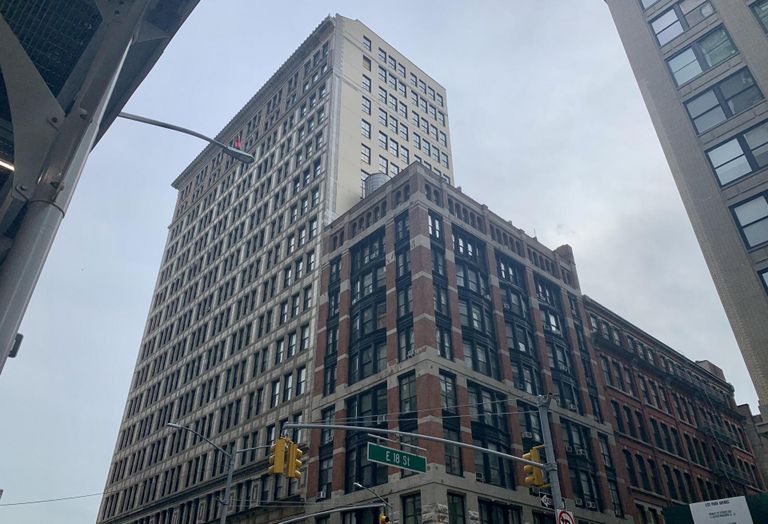
Office occupancy continues to rise week-over-week, but at less than 40% of pre-pandemic levels in 10 of the country's largest markets, office owners aren't sleeping soundly just yet. And a new study might have them catching even fewer winks.
As much as 70% of U.S. office buildings face a loss in value in the near future, including roughly 30% of the nation's inventory, or about $1.1T worth at current valuations, facing complete obsolescence, according to a new study by real estate consultancy Zisler Capital Associates.
While that means 30% are safe, another 40% of the office building inventory is marginal, the study says. Many of those properties will need to be sold at prices low enough to justify the capital improvements necessary to bring them up to the energy efficiency and health standards of the near future.
Government energy efficiency standards are getting stricter, but so are tenant demands for healthier and more energy-efficient office environments, the study says. The coronavirus pandemic has helped accelerate the demand for better office space but is only part of the equation.
"While waiting for the pandemic to end, many investors don't recognize that obsolescence is devouring billions from office building values," Zisler Capital co-founder Randall Zisler, who authored the study, said in a statement.
If investors act now, they may be able to avoid this "tsunami" that is impacting office properties worldwide, Zisler added, noting that the UK has already barred leasing of offices that don't meet energy efficiency standards by 2023.
“We’re not saying bulldozers are arriving en masse,” Zisler said. “But you’re going to see a repricing and, in some cases, reuse of these buildings.”
Obsolescence already has created a green premium of 6% for leases in sustainable buildings, Zisler said. And tenants are now willing to pay a health premium, significantly pushing rental rates up over other office space.
Tenants are already leaving older office buildings in favor of newer projects, and the shift has left owners of some aging office buildings with large vacancies and insufficient cash flow to stay current on their debt.
"The problems going forward are going to come from primarily markets that have sizable amounts of dated properties that are not particularly desirable to big drivers of demand these days," Trepp Senior Managing Director Manus Clancy told Bisnow. "You’ll see episodes in New York, Chicago and other places where big buildings that back loans with nine-figure balances become distressed."