U.S. logistics market dynamics are starting to ever so slightly tilt toward landlords as the sector absorbs the wave of pandemic-era deliveries, a new Cushman & Wakefield report found.
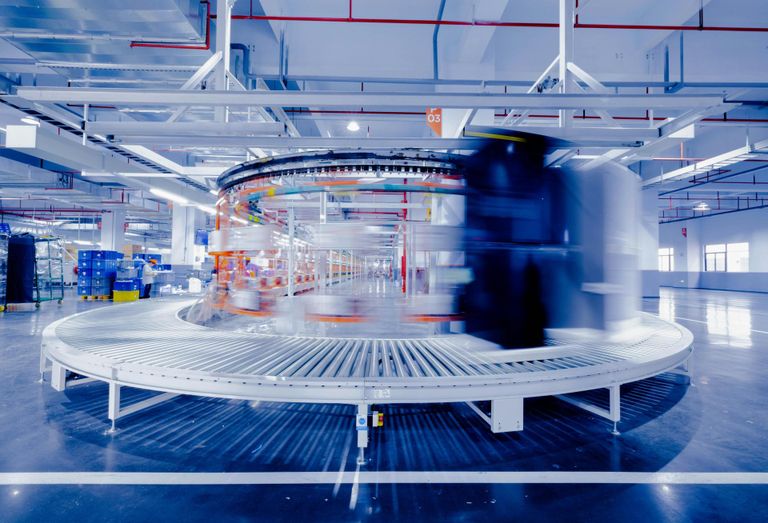
Market conditions shifted in 16 out of 35 major U.S. markets, with most moving from tenant-friendly to more neutral or more landlord-favorable conditions, according to the brokerage’s annual Waypoint: Global Industrial Dynamics report.
The shift comes as logistics operators pivot to a business model where “uncertainty is now embedded in day-to-day operations,” with the ongoing conflict in the Middle East presenting the most immediate pressures on global demand for space as fuel and transportation costs soar and shipping routes are disrupted, the report’s authors wrote.
U.S. landlords are bucking the global trend. Cushman & Wakefield’s survey of 135 global markets found only 8% are shifting toward landlord-favorable conditions, while 13% are moving toward neutral and 23% are shifting in the tenant’s favor.
Globally, 52% of markets are tenant-favorable today, 22% are neutral and 39% favor landlords, the survey found. By 2029, tenants are expected to lose much of their pricing power, with just 33% of markets remaining tenant-favorable.
Landlords across the Americas are expected to see the greatest shift, with the number of landlord-favorable markets rising from 17% today to 46% over the next three years.
Expectations around vacancy vary by market, with 23% of American markets expected to see vacancy decline, while 68% are expected to remain stable.
In a reversal of recent trends, rents are expected to rise in 55% of markets in the Americas, including in key markets like the Inland Empire, where vacancy inched up to 7.8% in the first quarter, and Atlanta, where smaller tenants have recently gained pricing power. Some key U.S. markets, particularly in the South, are already posting rent increases, the report notes.
While the report has a relatively optimistic outlook for the U.S. industrial landlord, it also includes signals that macroeconomic volatility is weighing on growth.
Tariffs or their potential have delayed leasing activity for more than 60% of U.S. respondents to a survey included in the report. The U.S. also has the highest share of respondents who say the levies have caused leasing to be delayed indefinitely.
Geopolitical events, including surging energy prices, have impacted leasing decisions for more than half of U.S. respondents, slightly more than the global average.
The U.S. industrial market is emerging from cyclical lows, with first-quarter vacancy declining 10 basis points from its late 2025 peak of 7.0%, according to Cushman & Wakefield, which expects vacancy to decline further throughout the year.
Total absorption over the year ending in March was up 35% from the prior year, and first-quarter leasing activity cleared 170M SF for the fourth consecutive quarter.