With government funding poised to flow into the area of healthcare that deals with mental health, substance abuse disorders and general life stressors, those working in healthcare and developing those facilities to house them expect and hope to see investment in new product for this critical area of the healthcare industry.
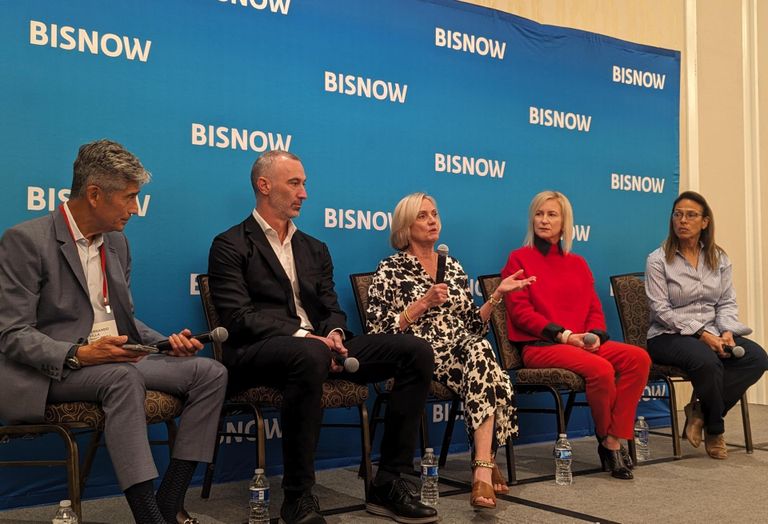
Behavioral health and the real estate that goes along with it was a theme that speakers touched on in multiple panels at Bisnow's SoCal Healthcare Real Estate Summit at the Hilton Los Angeles Culver City on Wednesday.
Anchor Health Properties Senior Vice President of Investments Elliott Sellers called behavioral health “an exciting space.” He said his firm, which manages, develops and invests exclusively in healthcare facilities, has traditionally looked at projects that are sponsored by health systems, but now there are more independent behavioral health providers moving into the arena.
“You're going to see a lot more real estate capital make a push into that space: inpatient rehab facilities,” Sellers told attendees.
From an acquisition and development standpoint, Sellers said Anchor had been “very active.”
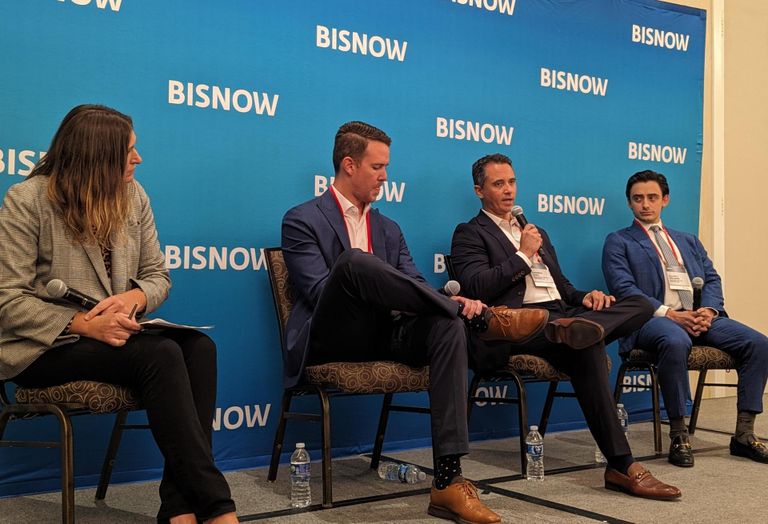
There have been some governmental investments in the sector. Over the summer, California announced more than $1B in grants for behavioral health, including more than $900M to “address housing and treatment needs” for unhoused people with behavioral health conditions in almost every county in the state and $430M for about half the counties in the state to build facilities to treat people with mental health and substance abuse issues.
The state is also poised to vote on a $6.8B bond measure on the March 2024 ballot that would create a one-time funding source to build more than 11,000 beds for people with mental health and substance use disorders, as well as legislation that would expand behavioral health service provision throughout the state.
Panelists said meeting the need for behavioral health services is going to require investment and innovation from the public and private sectors.
“I think the challenge today with some of the product types that need to get to market that are undersupplied — I'll use behavioral as the easiest example that everyone would agree on — is the private markets,” PMB Holdings Managing Partner and President Jake Rohe said. “If they're going to be part of the solution, which they have to be, the capital is not there yet.”
Part of the delay is just learning about these opportunities and how these businesses work, Rohe said.
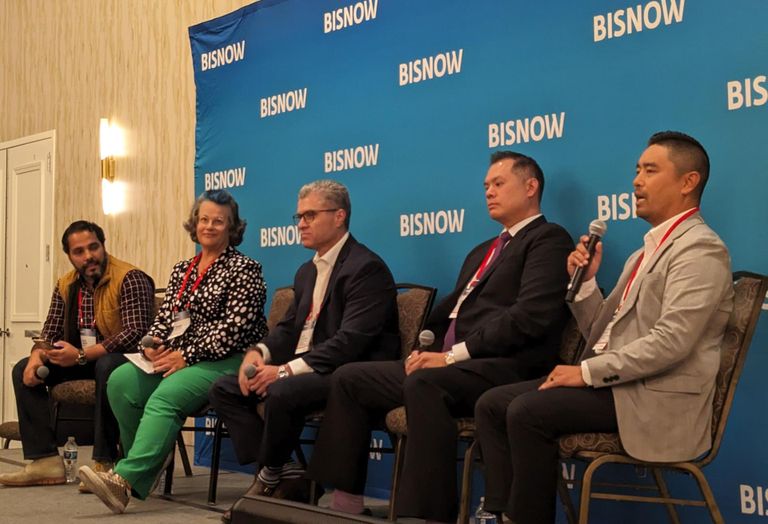
“There's not a lot of precedent for developer-owned, operator-run, third-party behavioral health projects,” Rohe said, adding there is that precedent with medical office buildings.
Speakers at the event also touched on telehealth, which saw its adoption rise out of necessity during the early days of the pandemic. While there are certainly advantages to having a medical professional easily accessible on your phone, Taylor Design Medical Planning Director Teresa Endres said that patient surveys have shown that people still want to be seen by a doctor in person for many of their medical needs, and they don’t want to travel far to do it. Workers, who are in increasingly short supply, have similar wants.
“Not only do patients want to be seen in the communities in which they live, staff want to work in the communities where they live,” Endres said. “And so locating facilities in communities where not only patients live but staff live is not only great for the patients because it's convenient, but it also helps with recruitment and retention with these healthcare staff that are so hard to find.”