The world is getting hotter and making the populations of cities sicker.
Real estate can do something to combat that — and if it doesn’t, the property it owns, in urban areas in particular, is likely to become less valuable.
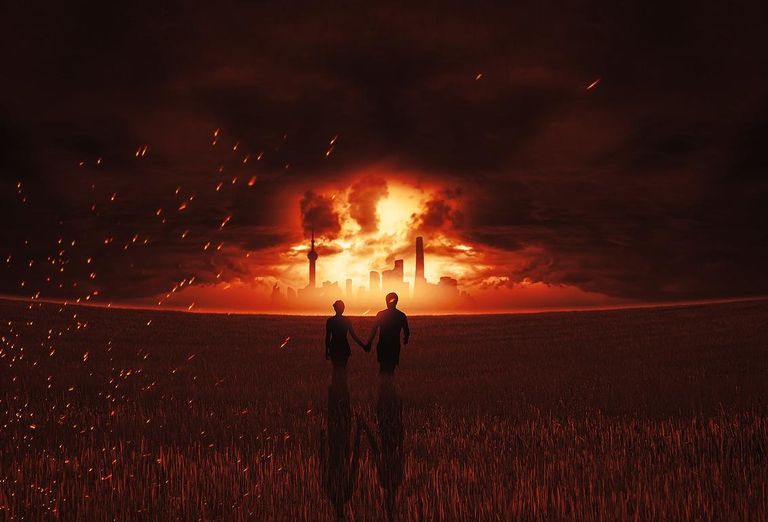
The UK saw an all-time record temperature this week, 40 degrees Celsius (104 degrees Fahrenheit), and countries across the world are feeling the effects of extreme heat.
Unusually high heat has an immediate impact in more deaths of vulnerable citizens. But it has a longer-term, less visible but still damaging impact on the health of urban populations, research from the Urban Health Council showed. The council is a group of public and private sector thinkers brought together by nonprofit body CentricLab to try and improve urban health.
“Sustained exposure to extreme heat is not good for the body, despite our cultural love of sunbathing,” Centric Lab co-founder Josh Artus said.
The body works hard to regulate at 36.8 degrees-37degrees, he said. External heat beyond 32 degrees forces the body to struggle to maintain this, causing overworking of systems and depletion of resources like energy and salts.
On top of this, the psychological stress of not being able to escape the heat compounds physiological stress. That activates another stress response that increases energy expenditure, irritation, fatigue and a pathway to burnout, as well as the increased development of health disorders like diabetes, obesity and PTSD.
The wear and tear on biological systems over time makes people more susceptible to immune, metabolic and endocrine issues.
Research from air-purification manufacturer Teqoya said heat also makes air pollution worse.
“Sunlight and high temperature trigger chemical reactions between primary air pollutants such as nitrogen oxides (emitted by engines) and oxygen, causing a chemical reaction that forms ozone,” the company said. “The hotter the day and the more intense the sun, the more ozone is formed. Ozone is a very active oxidant, which exacerbates lung diseases such as asthma and can cause breathing difficulties even in healthy individuals.”
Heat and sun also transform primary particles into secondary, smaller particles that can be more toxic. And heat erodes asphalt quicker, causing a release of toxic chemicals.
Real estate needs to combat these negative health impacts of extreme heat, which scientists say are going to continue, Artus said. That will involve a full rethinking of design codes and human management.
“Increased and sustained heat impacts roads, therefore tyres by default, as well as causing problems with railway lines,” he said “A carbon neutral ‘healthy building' is useless if people can't get to it. It is not the so-called panacea towards population health. Going to work should not make a person feel like Frodo and Sam wading through Mordor to reach Mount Doom.”
The point about heat eroding asphalt underlines the need for extra emphasis on detoxifying construction materials and increasing shade in urban areas.
Artus said the number of buildings offering no awning or shade cover in cities is alarming, both from a rain and sun perspective, and urban design codes need radical updating from a material and architectural perspective.
Pedestrianisation of urban areas isn't just about removing cars, but providing the infrastructure to dwell on two feet for as long as desired. Too often, central islands on large roads lack any canopy in favour of allowing clear movement of traffic.
For Artus, the way that central taxes levied on developers is invested in urban environments needs to change, taking into account improvements that could be made to public spaces to make them more suited to hotter temperatures.
For property owners, this is about protecting value.
“The more increased, sustained heat alienates people from urbanised environments, the more the demand for home/remote working will increase, too,” he said. “This is our new normal; the UK is far from prepared and investment is needed.”