Texas' unemployment rate dropped to 3.5% in May, the lowest since December 1969, according to the Texas Workforce Commission.
Low unemployment highlights the robustness of the local economy and forecasts demand for higher wages and population growth.
For the commercial real estate industry, peaking near full employment is spurring demand for more commercial developments, but there are downsides, too: It is driving up construction and labor costs, and a low unemployment rate draws in some corporate relocations but can be a deterrent for others.
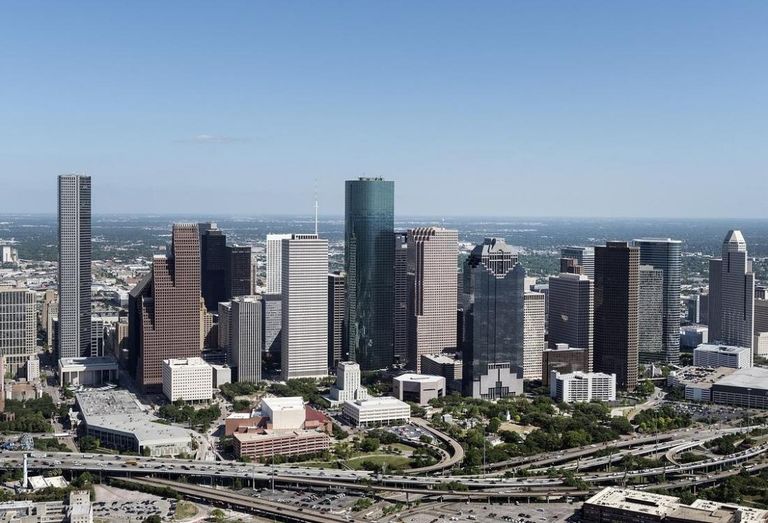
Texas has become the place companies and residents want to be, which is one reason for record-low unemployment, JLL Executive Managing Director Tom Fish said.
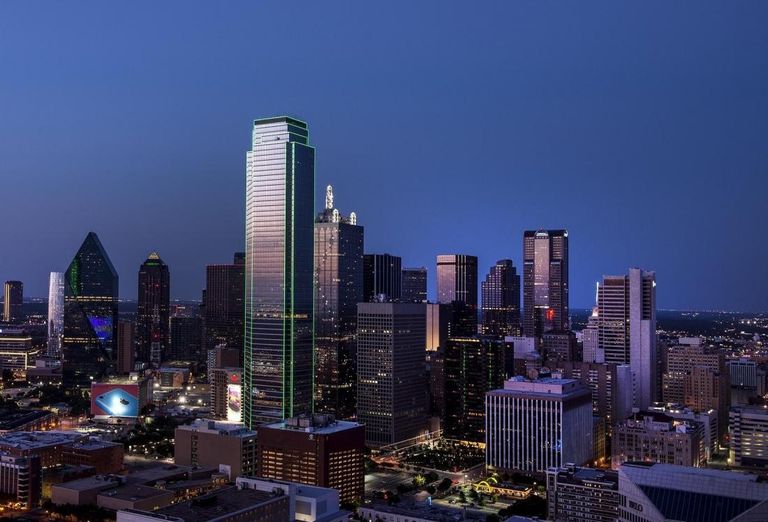
The Lone Star State has a diversifying economy: Austin, known as the Silicon Valley of Texas; Dallas, a national player for corporate relocation and expansion; and Houston, tapped into the oil, energy and healthcare sectors with a busy port.
The statewide attractiveness is supported by affordable housing options, the availability of labor, a low regulatory environment, no state taxes and the availability of land, Fish said.
When companies evaluate cities for future expansion and relocation, the top performance metrics they consider include a high occupancy rate across all property types, strong rental rates and a low unemployment rate, JLL Senior Vice President Simmi Jaggi said. Texas checks all those boxes.
"Texas has everything you want in an economy," Fish said.
For many years now, Texas and the United States have been faced with a labor shortage, which is exacerbated by low employment. As a strong economy spurs commercial development, the real estate community is experiencing the effects of higher construction cost, lagged project timelines and a shortage of skilled laborers.
Many CEOs have said that difficulty in finding workers was the top problem facing their business and that there were current job openings at their companies they could not fill, said Susan Arledge, president of tenant-rep firm ESRP in Dallas.
"With record-low unemployment rates all over the country, Texas is no longer positioned to attract workers with the promise of jobs alone," Arledge said. "It’s more than likely that employers will have to pay more for those jobs."
"The labor market continues to thrive, but this has definitely created an employee’s market," Arledge said. "The balance of power has now shifted from the employer to the employee."
In a highly competitive market for labor, skilled craft workers feel empowered to make a move if they don't feel valued where they currently work, DPR Construction Central Regional Leader Matt Hoglund said. Even a 25-cent hourly raise can make a difference.
"If a company cannot retain their employees, they are less able to control their costs or deliver what they committed to as they are constantly dealing with retention and pay issues," he said.
A tight market also makes the workforce less predictable, which can impact productivity and project timelines. Subcontractors can become overbooked, Younger Partners Director of Research Steve Triolet said.
"Outside of very technical positions, which have the lowest number of qualified candidates to recruit, the lower end of the labor pool is more negatively impacted from low unemployment because, while employees are willing to relocate for a good-paying position, the same does not hold true for lower-paid workers," he said.
And while there are a lot of jobs open to fill, there is an increasingly wide gap between the jobs being created and the skills and experiences in the workforce to fill them, Arledge said.
That puts pressure on employers to train well.
"We focus on taking care of our people with the right level of pay, benefits and training to retain our employees even if they are offered a higher wage elsewhere," Hoglund said. "We believe we can offer them the best experience in the industry."
Low unemployment ultimately benefits employees by triggering an employee's market, which facilitates higher wages, which in turn can be spent on housing and benefit retail.
And even with some sticking points around low unemployment, Texas wants this trend to continue.
The Texas workforce has historically relied on immigration and migration, Fish said. Continuously, the Texas economy will require both populations. More people living in Texas will spur the demand for retail, multifamily and office space.
"We have to be careful we don't put the lid on economic growth because we need people to fill those jobs," Fish said.