The planned development of the city's first Ace Hotel in a former industrial district on the Near West Side could set the tone for a new trend of city officials rezoning industrial areas for commercial uses. But that might not be such a good thing if NYC's rezoning experience is anything to go by.
In NYC, for instance, a recent report by the Pratt Center for Community Development warns against the pitfalls of placing new hotels in industrial areas of the city. Because hotels are often good commercial real estate bets, it says, developers usually have the capital to outbid industrial land users. And the high return on hotel investments also makes them favorable with city officials, who will often let these buildings go up without any community input or requirements that could keep jobs local.
The classic New York City example is Long Island City (pictured), according to the report, where 15 hotels have opened since 2005, despite that area of Queens being mostly zoned for light industry.
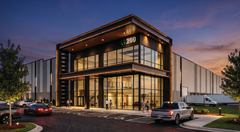
Could Chicago's Near West Side be the same? The Ace Hotel, approved for a site at 311 N Morgan St by the City Council last month, is one of few hotels that has been planned for west of the city's center, and one of the Near West Side's first major hotel developments. Last year the boutique hotel SoHo House (pictured) opened with 40 guest rooms at 113 N Green St. And about two miles southwest in the Illinois Medical District, Gateway Development Partners is working on a project to place a 10-story, 225-room hotel at 2020 W Ogden Avenue.
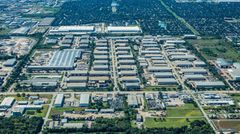
The neighborhood's Industrial Council of Nearwest Chicago, which represents about 400 industrial businesses, is opposing the plans, saying that the move could set a troubling precedent that devalues planned manufacturing districts. Chicago has about 15 PMDs, including areas like the North Side's A. Finkl & Sons steel mill site (pictured) that developers are eyeing for their commercial and residential potential.
PMDs are meant to protect the city against losing industrial jobs to foreign competitors, even as real estate market forces make other types of development more attractive. The city's decision on the Ace Hotel shows a willingness to create other development opportunities when an area is already undergoing a transformation—in Fulton Market's case, from industrial corridor to a tech office live/work hub.