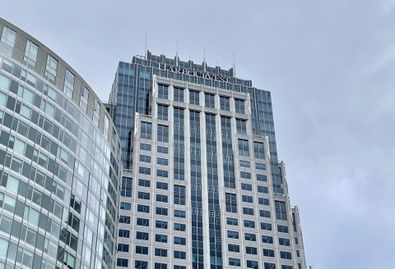
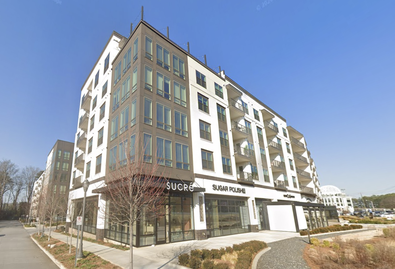
Inflation is looming and investors are gearing for the commercial real estate impact.
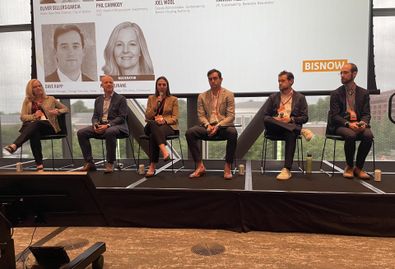
Construction costs have already spiked, promoting uncertainty surrounding shovel-ready projects. The sharp rise in costs discourages new investors from entering the market, making existing assets in the booming life sciences and multifamily classes attractive, experts predicted during Bisnow's Boston Investment Agenda digital summit this week.
:no_upscale():quality(75))
“I don’t want it to be overblown that inflation's coming and we’re going to see 10% a year, but it’s going to be kind of how exposed you are, and that’s ultimately going to lead more people to hard assets,” Harrison Street Senior Managing Director Mark Burkemper said during the summit.
Burkemper said his firm is focused on the labor pool and how inflation is going to start affecting expense line items, such as senior housing — which is more exposed to labor. Asset classes where experts said they expect to see investment thrive include life sciences, where Burkemper said rising rents will outpace inflation.
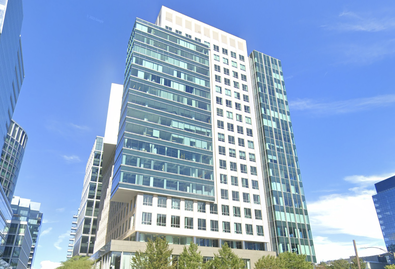
Currently, 91 life sciences tenants are looking for 3M SF in Greater Boston, BioMed Realty Trust East Coast President Bill Kane said. The superstar asset class shot Boston to the top of the country in office investment sales (which includes life sciences buildings) both in 2020 and in the first quarter of 2021.
In the first three months in the year, life sciences-centered deals in Boston made up nearly a quarter of all major investment sales in the country: $5.1B of the $20.5B nationwide, according to a Colliers analysis of Real Capital Analytics data. The life sciences market has taken the luster away from pure office buildings, and that's especially true in the country's most expensive office markets, such as Manhattan and San Francisco.
“I’ve seen 70% leased office buildings with decent weighted average lease terms on the lease space, I've seen those deals [in New York City] execute at a similar leverage point and similar all-in pricing to a spec life sciences construction deal in Boston,” Square Mile Capital principal Sean Reimer said. “That’s a crazy data point, I think it's just indicative of what’s going on in the market generally.”
:no_upscale():quality(75))
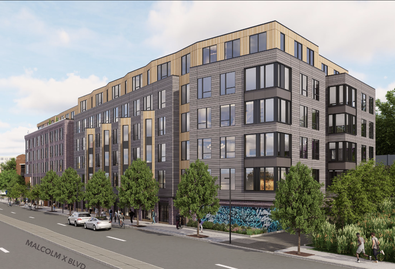
Capital is also chasing multifamily, an asset class experiencing compressed spreads and rates and aggressive leverage on loans, experts said. The market provides liquidity among its renter base that office buildings with fewer tenants may not, former Wharton professor Peter Linneman said earlier this year. Bidding wars have intensified over existing multifamily assets, panelists said.
“Non-luxury rental housing, rental housing that is sort of area median income, what can be supported by the folks working 9-5, most of us believe in some rapid inflation that will be coming and those assets will appreciate,” WinnCos. CEO Gilbert Winn said. “The cost to replace them will go up.”
Lumber, the backbone of multifamily construction, has risen more than 325% this year and currently is $1,700 per board feet, according to Market Insider. Most construction materials have increased year-over-year, labor constraints are rising and a majority of multifamily developers experienced construction delays, according to a March National Multifamily Housing Council report.
Shovel-ready projects have stalled because of the costs and unpredictability of what a new product will sell for, Boston Realty Advisors CEO Jason Weissman said.
“From a demand side, we’re pretty bullish on it, and we’ll see who’s going to step up,” Weismann said. “Maybe the debt funds are going to step up depending on that product, if the local lenders are short on proceeds.”
:no_upscale():quality(75))
Lenders including pension funds and endowments are increasing their real estate allotments, experts said, while private equity funds have raised more than $200B in anticipation of a distress investment wave that never materialized during the coronavirus pandemic.
Panelists spoke of some interest in office assets in select regions, which experts agreed are very market-dependent. Hotels and retail are among the most challenging assets, Reimer said, with wider-priced deals, lower-leverage loans and less capital overall. While assets like grocery-anchored centers have been a bright spot during the pandemic, retail dependent on movie theaters and shopping malls have been hammered.
Gazit Horizons Chief Investment Officer Allison Lies described her firm’s ownership of a shopping center that lost approximately 90% of its net operating income during the pandemic.
Lies said the firm was fortunate it didn't have debt on the shopping center, because there are so many investors ready to pounce on any distress.
“For any asset where we know there are significant risks, we’re going to be pretty low-leverage or no leverage in each and every [one] of those situations,” Lies said. “That’s the problem, because there’s too much money everywhere.”