The Kroger Co. is pulling back from developing a network of automated e-commerce fulfillment centers and will instead focus on expanding its brick-and-mortar grocery store network.
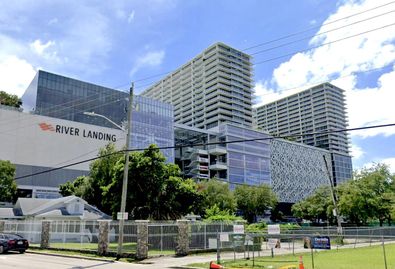
The grocery chain announced it would close three of its eight robotics-powered fulfillment centers. The centers marked for closure are in Groveland, Florida, Pleasant Prairie, Wisconsin, and Frederick, Maryland.
The company has also scrapped plans for another fulfillment center in Charlotte but will still build a previously planned fulfillment center in Phoenix.
:no_upscale():quality(75))
With the announcement, the Cincinatti-based grocer admitted that its pandemic-era gambit to invest in robotics-focused warehouses to expand its market reach was dragging its e-commerce earnings into the red and creating significant headwinds for its bottom line.
“We haven't allocated enough capital to growing stores because we have allocated a lot of capital in other areas like fulfillment centers,” Kroger Chairman and interim CEO Ronald Sargent said on an earnings call Thursday.
The company anticipates taking a write-down of approximately $2.6B in 2026 because of the closures. As part of that, Kroger will make a one-time payment of $350M to UK-based robotics company Ocado, which built the robotic fulfillment systems.
Sargent said Kroger plans to open 14 new grocery stores in the fourth quarter and increase new-store builds by 30% throughout 2026. In June, the chain said it will actualize a net loss of 30 stores over 18 months as it closes 60 underperforming locations but opens 30 new ones, according to Food Business News.
GlobalData retail analyst Neil Saunders characterized Kroger’s push to focus on automated customer fulfillment centers as a “misadventure” undertaken during the tenure of former CEO Rodney McMullen, who resigned in March after an internal investigation into his conduct.
While the automated warehouses drove down the cost of picking and packing groceries for online orders, Kroger wasn’t able to deliver the groceries at the scale needed to offset the additional shipping costs of servicing a farther-flung network, McMullen said, according to CoStar.
Kroger said it will now deepen its relationship with the third-party grocery delivery services Instacart, DoorDash and Uber Eats instead.
Since the announcement and earnings call, Kroger’s stock price has lost some 6% of its value, hovering near a six-month low of $63.31 in midday trading Friday.