
Commercial real estate players looking for signs that the Federal Reserve is moving swiftly toward another interest rate cut saw those hopes dashed by remarks from Fed Chair Jerome Powell on Friday.
The U.S. economy will likely see a boost to inflation and weak growth following higher-than-expected reciprocal tariffs President Donald Trump implemented this week, Powell said, backing off somewhat from comments last month that their impact might be “transitory.”
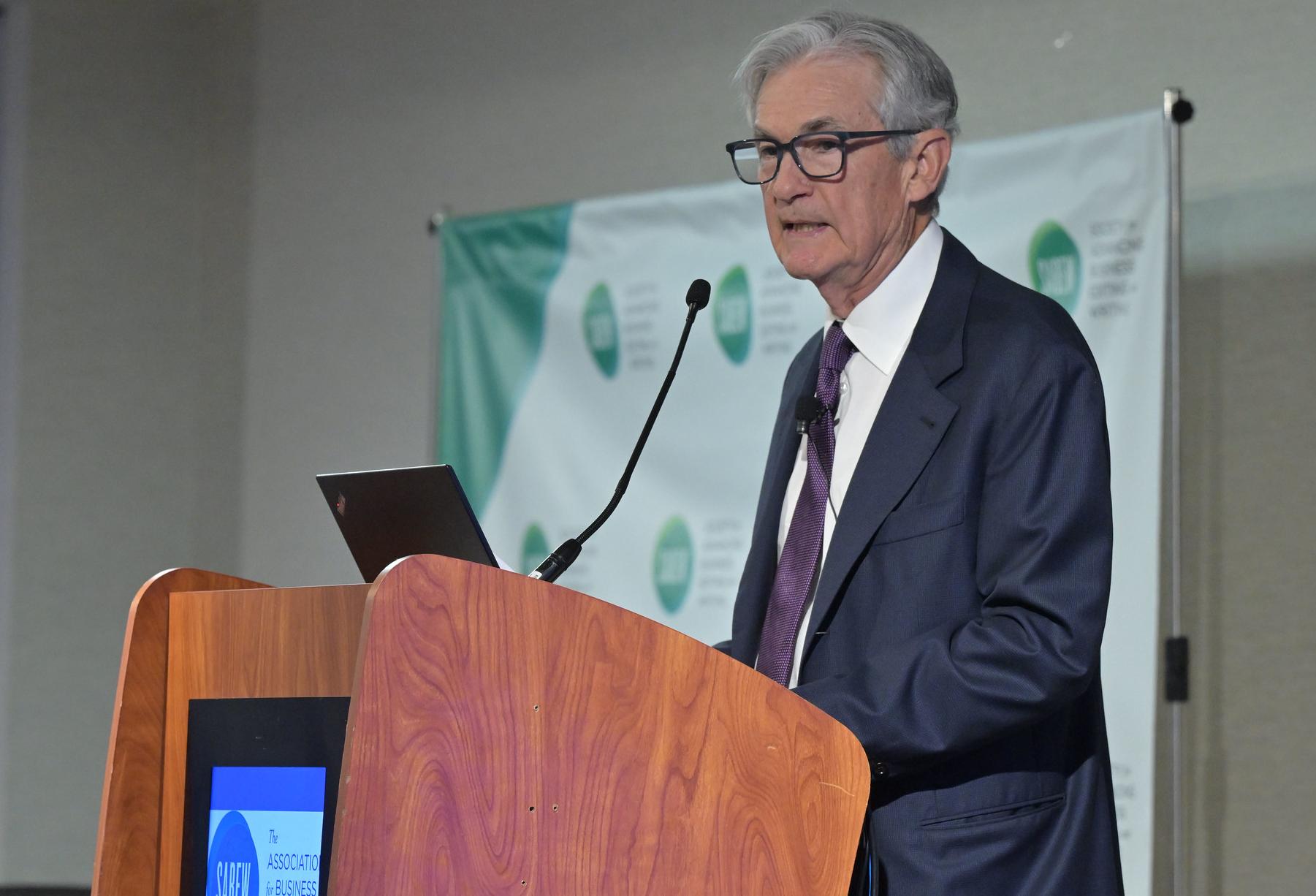
While Powell characterized the economy as being in a “good place,” pointing to a solid jobs report this month, he said it wasn’t yet clear what path monetary policy should take. The central bank will need to wait and see how the tariffs play out before making any adjustments.
“While uncertainty remains elevated, it is now becoming clear that the tariff increases will be significantly larger than expected,” Powell said during remarks at the Society for Advancing Business Editing and Writing’s annual conference in Arlington, Virginia. “The same is likely to be true of the economic effects, which will include higher inflation and slower growth."
Another effect of the tariffs could be elevated unemployment, The New York Times reported. Powell said the Fed has an obligation to keep an increase in price levels from becoming an inflation problem.
“Avoiding that outcome would depend on keeping longer-term inflation expectations well anchored, on the size of the effects, and on how long it takes for them to pass through fully to prices,” he said.
During a speech at the Rose Garden on Wednesday, Trump implemented a minimum 10% tariff on imports from more than 150 countries, while others faced much steeper rates, including a 46% tax for Vietnam. The administration said Friday that Vietnam had offered to eliminate its own tariffs, and talks between the two nations are reportedly ongoing.
China was hit with a 34% levy and retaliated Friday by announcing 34% tariffs on American goods.
That prompted the S&P 500 to fall around 3% Friday morning as the president called on Powell via social media to “stop playing politics” and lower interest rates.
“This would be a PERFECT time for Fed Chairman Jerome Powell to cut Interest Rates,” Trump wrote on Truth Social. “He is always ‘late,’ but he could now change his image, and quickly.”
After the Fed’s decision to lower interest rates last year, the prospect of reaching its 2% inflation target seemed within reach, but a global trade war would complicate that goal. Now, the push for another cut has been reignited even though the central bank hit pause on future rate cuts in January.
Last month, Powell said tariff-spurred inflation would likely pass quickly, though the Fed made similar comments when prices started rising during the pandemic. Hopes were high last month that real estate might be spared from the brunt of tariffs.
“Tariffs are going to have an effect on the economy, but I think real estate is relatively well insulated compared to other sectors,” Trepp Chief Economist Rachel Szymanski said at the time.
The median expectation from members of the Federal Open Markets Committee on where they expect inflation to be at the end of the year was 2.5% in March, up 30 basis points from the end of last year. Fed officials expect inflation will begin to come down in early 2026, but how much is unknown, and tariffs cast the timeline further into doubt.
Powell stressed that the Fed still has time ahead of its May meeting to reach more clarity on the administration’s policies and their impact.
“Inflation is going to be moving up and growth is going to be slowing, but it's not clear at this time what the appropriate path for monetary policy will be, and we're going to need to wait and see how this plays out before we can start to make those adjustments,” Powell said during a Q&A session Friday.
Powell also addressed the nation's housing shortage, noting tariffs are expected to increase the cost of new construction, while deportations and immigration policy could strike at a sector with a traditionally high ratio of immigrant labor.
But the country has had an underlying housing shortage since before the pandemic, and Powell said that is underpinned by longer-term factors, including many Americans being unwilling to move after securing cheap mortgages when interest rates were low.
“I think for a long time we’re still going to see upward pressure on housing prices, maybe until population growth slows or until we catch up,” he said.
)
)
)
)
)
)
)
)
)
)
)
)