How Rising Rates And Higher Borrowing Costs May Impact CRE Investment

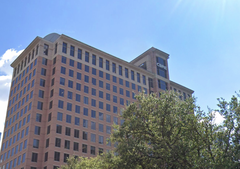
Office building, offices, office market, Orange County Downtown

With the Federal Reserve planning to boost interest rates another two or three times this year, there are growing concerns about the impact these moves will have on borrowing costs and property pricing.

The Federal Reserve raised its short-term interest rate benchmark in March to between 0.75% and 1%, and the Fed expects at least two more rate moves before the end of the year.

Typically when rates rise, so do real estate borrowing costs, which could put a damper on commercial real estate investment, according to CrediFi CEO Ely Razin. At the same time, higher borrowing costs can also lead to rising cap rates and lower property values, Forbes reports. One positive is the Fed would not raise rates were the economy not strong enough to support the move, and strong economic expansion typically translates to higher annual gross domestic product growth and job creation, which boosts demand in every property sector.

Continue reading this story with a free account

Log in or register
Sign up for more articles like this
Subscribe to Bisnow's National Newsletters
Related Stories

FIRST DRAFT LIVE: Why Sun Belt Multifamily Giant Cortland Is Moving Its Money North

Data Centers Fuel Busiest Industrial Market Since 2022

Treasury Introduces Rule Blocking Big Investors From Bulk-Buying Homes

'Illegitimate' Or 'Leveling The Playing Field'?: Why Habitability Cases Are Surging In Eviction Court

Walker & Dunlop Execs On Dealmaking Volatility, Data Center Risks, Housing

Hines Closes $591M Multifamily DST Offering

Kroger Plans 3 New Store Formats, 110 New Locations In Bid To Boost Sales

CBRE Leans On Data Center Business As Higher Rates Squeeze Capital Markets

Blackstone Writes Down Real Estate Values But Remains Bullish On Data Centers

Debt Flood Shrinks Bank OZK's Real Estate Book Faster Than Planned

The Governor Races And Referendums Where Housing Is On The Ballot

Trump: Data Centers 'Mandated' To Supply Own Electricity, Should Pay 'Dividend' To Communities