
Like so many parents, retired British Airways pilot David Giles, 68, wanted to help his eldest daughter and her husband buy their first home and start a family.
In 2022, after three decades in the cockpit and an inheritance from his late parents, he went looking for a secure, low-risk place to park the money — something that would grow into a house deposit by the time they were ready.
A friend introduced him to a financial adviser at Holborn Assets, who pitched what sounded ideal: loan notes issued by a company called Godwin Capital, which, he was told, would use his investment to buy and build property across the UK.
The terms were a 10% to 12% return and his money back in two years. The family dreamed of settling just outside of London in Clapham.
Giles, who lived south of London in East Grinstead during his flying career and now lives in New Zealand, said he was assured the investment was safe because investors had security over Godwin’s assets, and the company boasted a large development pipeline. So he handed over the money, hoping it would become a foundation for his daughter’s future.
Today, that hope has collapsed.

Giles is one of more than 2,000 people across the world who put a collective £162M into Godwin Capital between 2019 and 2024. Administrators now say most of that money has vanished.
Since it entered administration in June, the restructuring partners from MHA now managing Godwin Capital have identified just £5M of assets that might be sold to repay investors — a recovery of barely 1p to 2p on the pound, according to a 20 November report obtained by Bisnow.
Postal workers, engineers, information technology consultants — many put in life savings, retirements or family nest eggs. Some invested hundreds of thousands of pounds.
“My aim was to be in a position to help my daughter buy a house in a couple of years,” Giles said. “She actually is pregnant now, and they're stuck in a one-bedroom flat. Which is quite distressing, because there's not much I can do to help them.”
What was sold as a safe, asset-backed investment is shaping up to be one of the largest collective losses suffered by retail investors in modern British history, with a potential £157M shortfall.
Godwin’s collapse comes as UK regulators have sought in recent years to tighten rules around the sale of loan notes and mini-bonds to retail investors. Several recent failures have already left thousands facing heavy losses on products pitched as safe or asset-backed.
And it's not just a story of real estate deals gone bad: An initial report by administrators found that investor funds weren't secured on properties, as Godwin and its network of pitchmen repeatedly promised they would be — and some of the money raised from later investors was used to repay those who had invested earlier.
“If there was money coming in which has been used to pay off prior investors, that would appear to be a Ponzi scheme,” said Barry Coffey, a partner at law firm Mishcon de Reya who specializes in fraud investigation and recovery.

Coffey acted for the administrators in legal cases against the directors of London Capital & Finance, a company that raised more than £237M from retail investors between 2013 and 2018 before falling into administration owing its creditors more than £379M. The court determined that LCF was operated as a Ponzi scheme.
Bisnow can also reveal that Godwin Capital was still raising money as late as September 2024 — nine months after internal concerns surfaced and after it had already begun telling some investors their repayments would be delayed.
Bisnow sent detailed questions to Godwin Capital’s directors. They did not respond directly but, via a spokesperson for the company's administrators, asserted that Bisnow’s reporting was not accurate. When asked to elaborate, they did not provide specific examples.
Many investors were brought in by salespeople and advisory firms earning hefty fees and commissions — sometimes far above industry norms. Emails obtained by Bisnow show these “introducers” competing on internal leaderboards, with top performers awarded bonuses including a Tuscany trip driving supercars like a McLaren 720S, Lamborghini Huracán Performante Spyder or Ferrari Portofino.
Bisnow has interviewed more than a dozen investors, spoken with people who sold the loan notes, and reviewed internal correspondence and filings mapping how Godwin raised money — and how it imploded.
As administrators now try to trace what happened to £162M across more than 100 intertwined companies controlled by Godwin’s directors, the people who invested are angry, feel abandoned and sometimes even embarrassed, as if they themselves are somehow to blame.
In late November, they were told it could take more than two years to learn how much money might be recovered. And so they wait — for repayment, but also for clarity about who is responsible and whether anyone will be held accountable.
Small Beginnings, Small Investors
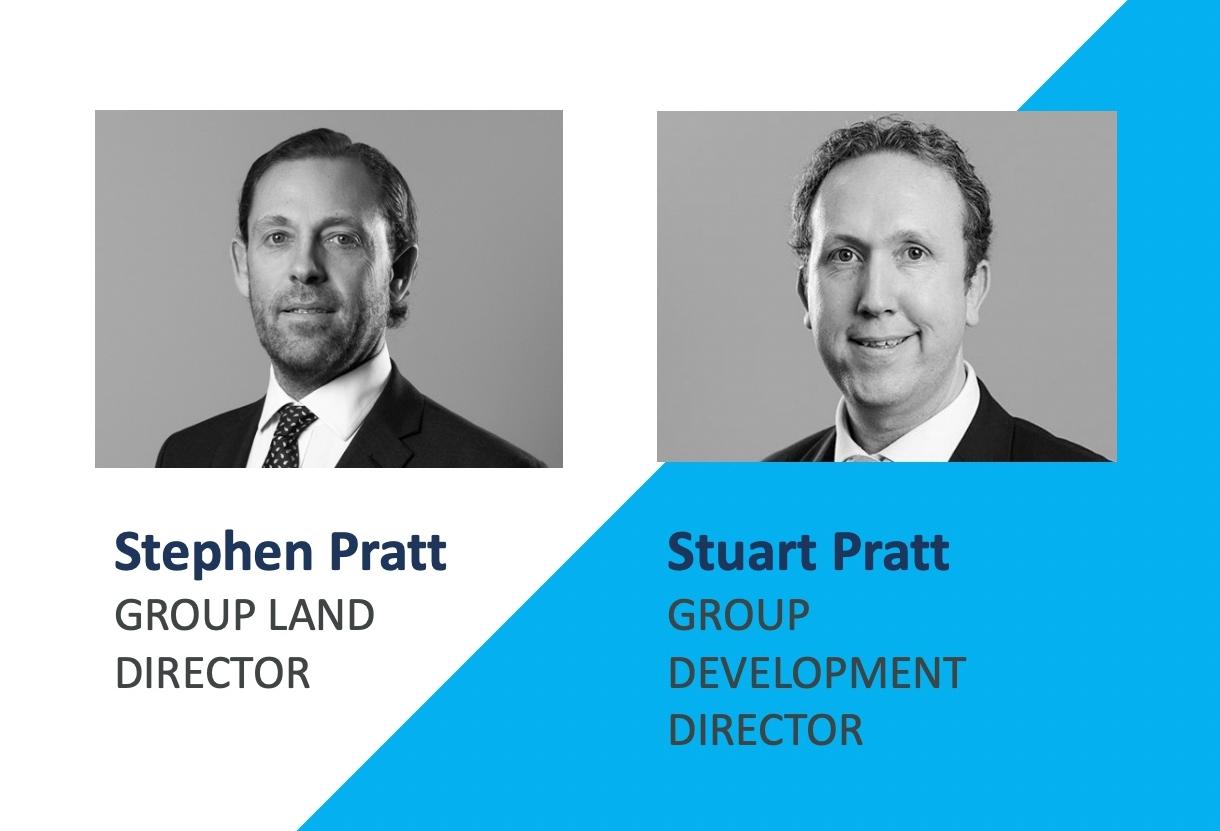
Nottingham-based Godwin Developments was set up in 2003 by Stuart and Stephen Pratt, brothers in their early 20s. The duo came from a family of engineers who worked on property projects across the country.
The company took on two small development projects, but it went into administration in 2009 after a joint venture partner went bust — the company had put up a guarantee for any losses. The owners personally repaid a £570K loan to HSBC, the administrator’s report from the time showed.
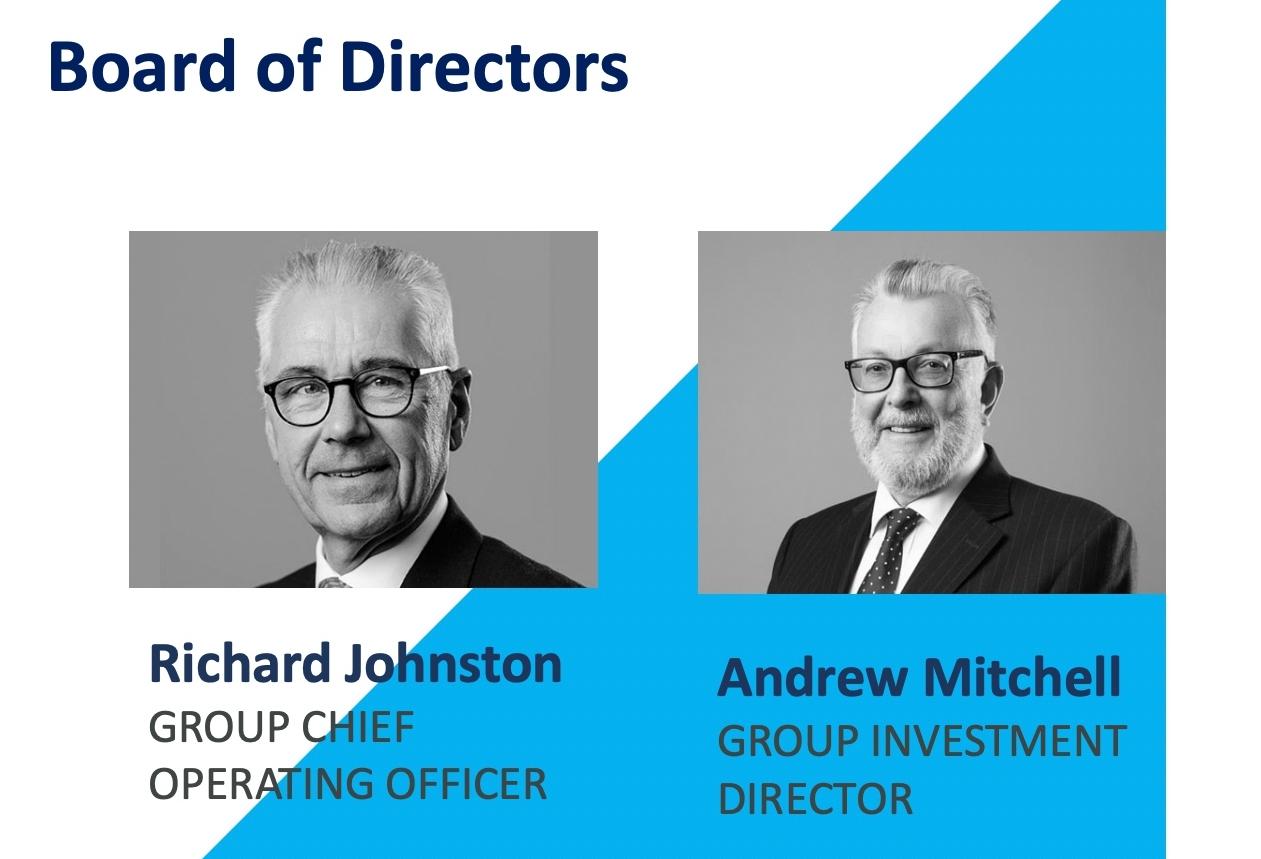
The Pratts, now 45 and 47, came back and set up other companies under the Godwin banner, and in 2015 they teamed up with Andrew Mitchell, 74, and Richard Johnston, 69. The four created dozens of Godwin special purpose vehicles, building individual retail units let to food outlets like Starbucks or Costa Coffee, discount supermarkets and small rented residential projects.
In 2018, they launched Godwin Capital, which was described as the company’s finance division.
Having already established a Birmingham office, in April 2019, Godwin opened an office in Mayfair and boasted in a press release that its staff numbers had increased by 60%.
Godwin Capital raised money by issuing loan notes to retail investors, a type of fixed-income product promising set returns and money back after two years. The minimum investment was as low as £5K in some cases, although some people ultimately invested more than £400K with Godwin Capital companies.
Investors were brought in through introducers in the UK and globally, especially in the Middle East, Southeast Asia and South Africa. The introducers ran the gamut: financial advisers at big firms, smaller advisory outfits and individual go-betweens — sometimes just acquaintances passing along an opportunity.
The first loan note in 2018 was small, raising £10M. But later offerings grew, and in late 2019, the pace picked up with the launch of Godwin Capital No. 8, a company that sought to raise an initial £50M. It would ultimately go on to raise £155M.
Polished marketing materials for GC8 gave an example of the kind of projects it said it would invest in — buying and developing property across the UK, with examples again including roadside retail and build-to-rent. One offer document said the company had a development pipeline exceeding £1B, including 2,800 residential units.
Examples in one presentation of past schemes it had developed included a £2M McDonald’s restaurant in Nottingham and a 34-unit, £4M residential scheme in Handsworth, West Midlands.
The presentation outlined projects in the company’s pipeline, including a 151-unit single-family rental scheme in Leicestershire with a projected end value of £22M and a 23K SF Lidl supermarket in the Midlands. On the latter, it said it would make a £2.5M profit on a £412K outlay, a return on investment of 600%.
Presentations and prospectuses assured people their investments would be secured by the assets that GC8 bought. Money would be lent on to Godwin SPVs, but GC8 would have a legal first charge over those assets — meaning when any assets were sold, they would be first to be paid back.
Their investment and this security would be managed by a security trustee, whose role was consistently stressed in both investment documents and voicemails from introducers and advisers that were reviewed by Bisnow.
The Company Unravels — But Keeps Taking In Money
For the first few years, as far as investors were concerned, everything went well. Interest was paid on time, and those who wanted money back after the first two-year period were repaid. Things carried on like that until summer last year.
In July 2024, Godwin Capital wrote to investors who were due to be repaid capital that there would be a delay in their repayments, a letter obtained by Bisnow shows.
The letter said the market had turned, construction costs had increased, developments had been delayed, and sales — either of stabilised assets or development sites — were not coming through.
“Due to the aforementioned problems, there will be a short-term delay in the return of investor capital,” the company wrote.
“Whilst we appreciate this is an unfortunate situation, we would like to assure you that this delay is temporary. The company remains on a sound financial footing, there are no issues with our developments, all projects are fully financed and are now proceeding without delay.”
Investors had the choice of splitting their repayment over 12 monthly installments, delaying full repayment for six months or delaying full repayment for 12 months.
But in late September 2024, Godwin Capital and its directors asked all investors to give it more time to repay their interest and capital and asked them to defer any more payments for a year. On a video call, they said those market issues had created the need to halt all payments.
“No one was allowed to speak,” one investor, Lisa Dellow, told Bisnow. “It was just [Mitchell and Johnson] and the Pratt brothers sat there, looking like two naughty boys.”
MHA, the administrators brought in when the company collapsed, said in a report in August that the company’s directors had identified “adverse trends in the inflows and outflows across the group” as early as January 2024.
But despite the problems mounting for the company and the fact that it had already asked some investors to defer repayments — and was about to ask everyone to defer — Godwin Capital was still accepting new money from investors. Bisnow obtained a loan note certificate for an investment in GC8 dated early September 2024, bought by an existing Godwin investor.
The investor, who asked to remain anonymous, told Bisnow that when their two-year investment period came due in early September 2024, they were advised by their introducer to roll over their existing investment and also buy a new loan note.
Just two weeks later, they were told that the company was struggling and would have to delay interest and capital payments for a year.
“I am a single mum with financial restraints and was portrayed as a sophisticated investor,” she told Bisnow. “I did raise this issue [with my introducer] and was told it doesn't mean anything, just words. Hence [I was] pushed to sign these Godwin forms.”
Investors voted to delay repayment, Dellow said. It was presented as a stark choice: either defer or the company goes under.
At the September 2024 meeting, investors were told Godwin Capital was working with advisers to try and raise new money to restructure the company and sell projects as quickly as possible to return cash to investors.
But the delayed repayment was just a stay of execution. After a default in one of the company’s SPVs, GC8 and two smaller companies that issued loan notes, which between them raised £162M and owe more than £16M in interest, went into administration in June 2025.
And that’s when it emerged that the money hadn’t been used as promised.
No Security, Few Assets, New Money Repaying Older Investors
In an initial report into the administration released in August, MHA partners Steven Illes and Andrew Duncan said they found investors' money was advanced to other Godwin SPVs in the form of unsecured loans, rather than secured loans.
That security, promised prominently and repeatedly in prospectuses for the loan notes, was a key element of persuading investors that their money would be safe.
MHA flagged one situation where £16M was advanced to four SPVs to buy assets, but those SPVs also took out more debt from another lender. When the assets are sold, that lender will be repaid first. There is likely to be nothing left over for Godwin loan noteholders, the administrators’ 20 November report said.
Administrators found that approximately £24M of the money Godwin Capital raised went to repay loan notes issued by its other subsidiaries, rather than investing in properties, they wrote in August.
“We do not yet have full visibility on these loans, how the funds were utilised or the prospects of recovery,” Illes and Duncan wrote.
Noteholders Bisnow spoke to were angry at the idea that their money had been used to repay earlier investors. If they hadn't been misled, they said, they would have put their money elsewhere.
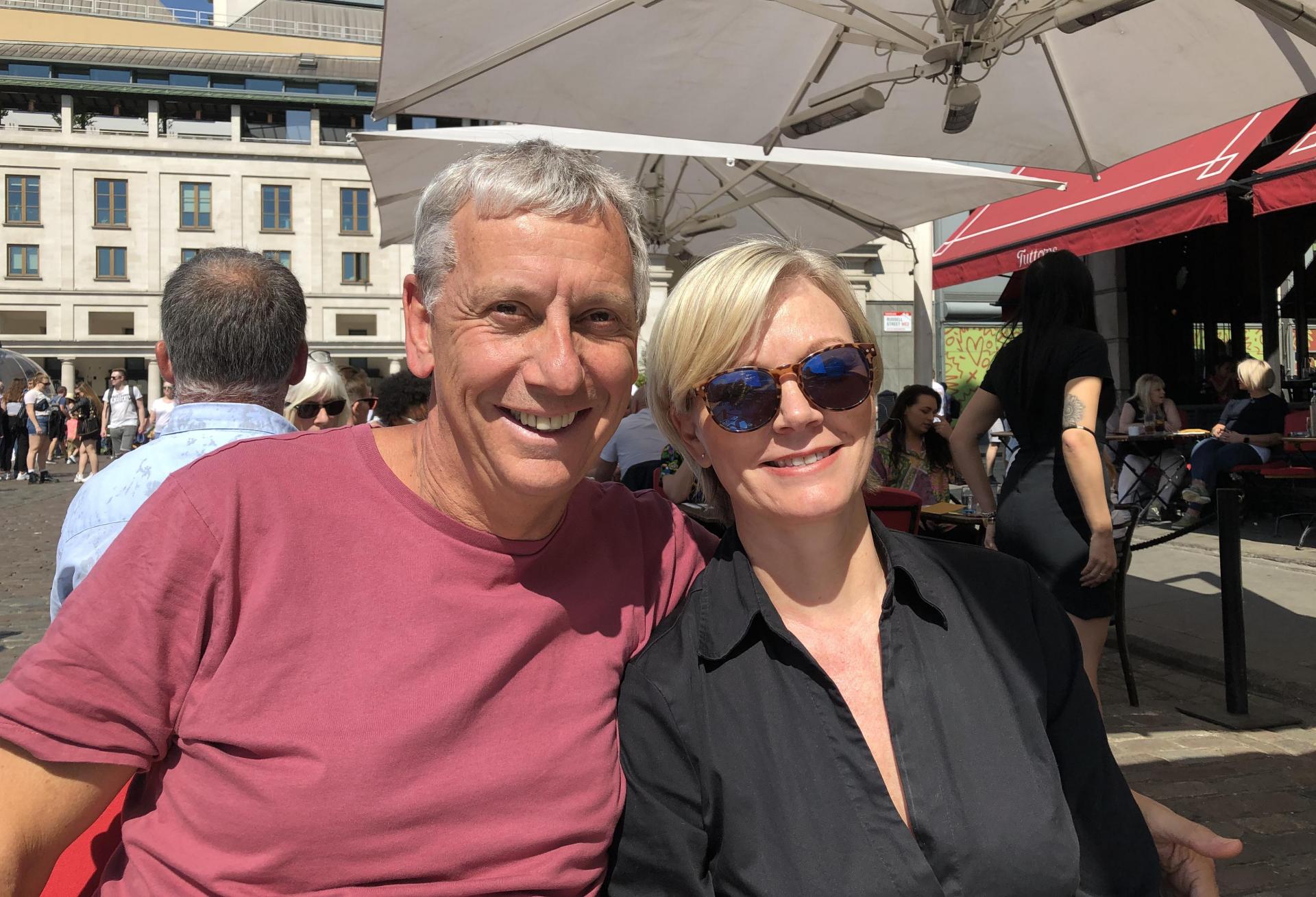
“They were taking money, knowing that they were never, ever going to be in a position to repay it,” Giles said. “While there was money coming in at the bottom end from people like me, they could pay the people at the top end, but it was only ever going to collapse.”
Administrators have now taken control of all Godwin Group data, the November report said, equating to about 4 terabytes, including complete bank records for the companies they have been appointed to.
“We have obtained full historic banking information for each company we have been appointed over and are currently undertaking an in-depth review of the transactions to establish the flow of the funds from the investors into the company, and whether they were utilised for their express purposes according to the information provided to investors,” the report said.
Since June, MHA partners have been appointed administrators or liquidators of 14 other Godwin companies to which loan noteholder money flowed, in an effort to trace and take control of any assets that might be sold to get money back for investors, taking the total number of appointments to 18. But only £4M to £5M of assets have been identified so far.
MHA said in its August report that two of Godwin's directors were assisting with the administration, with the other two having been signed off due to ill health.
GC8 raised £155M from investors, but the administrators said in their report that it had just £1,214.81 in its bank account at the time of their appointment.
The administrators are now working to uncover how much of the money raised was spent on property, what kind, and how much went on fees to loan note salespeople, salaries for Godwin directors and staff, and other working capital.
While prospectuses designed to persuade people to put their money into Godwin contained many examples of assets the company had bought and built in the past, plus projects on which the company was currently working, it was never specified which buildings or projects investors would actually own.
“It is not yet clear which [entities] within the group hold physical properties and what recoveries may be possible in this regard,” Illes and Duncan wrote in August.
In some cases, Godwin would pay for an option on land and receive a payment if it could achieve planning permission for a new development and sell the land above an agreed price. It is a potentially high-reward strategy, but it entails significant risk if the market turns. The company doesn’t actually own the land, so there is nothing administrators can sell to recover money for investors.
“We are also seeking information from various professionals previously instructed by the Group to assess the nature of the investments made and to determine whether any further sites remain undisclosed,” Illes added in the report to loan noteholders in November.
Property is an inherently risky sector — especially development and planning plays, where delays and market movements regularly catch out even the biggest and most sophisticated real estate firms.
Those aren't the investors Godwin and its introducers generally raised money from.
One investor in Godwin Capital, a British expat living in the Middle East who asked to remain anonymous, was told by her introducer that the investment was safe and low-risk.
“At no point in time were we told that this is a high-risk investment,” she said. “If they had even mentioned slightly high risk, that would have been a no-no for us, because you're not going to work really hard for a number of years and put your money in a high-risk investment unless you have surplus funds.”
She invested as a way of saving to buy a house in the UK and move her family, including two daughters under 6, back home and closer to relatives.
“It definitely had an emotional, mental impact on me,” she said. “Because when you think of the future you plan, you think of what you would do with your girls, and that's not going to happen.”
MHA is also reviewing whether investors may be able to make a claim with the Financial Conduct Authority, Financial Services Compensation Scheme or against their bank.
The November report outlined how, due to the complexity of Godwin’s structure, MHA’s investigations will take many months, and investors could be waiting for more than two years for any repayment, no matter how small.

The Sales Machine — Outsized Commissions, Leaderboards And Supercars
Godwin and its directors created a large network of introducers and advisers to source potential investors, which ultimately led to close to 2,500 people putting money into the company and its subsidiaries.
There was big money available for selling Godwin to investors — and that big money made it incredibly difficult for those investors to ever make the return they were promised.
A key company in the structure was Dubai-based Capital 3PM, run by director Adam Davis. It acted as a bridge between Godwin and financial advisory firms, particularly in the Middle East, a region where many of the investors in Godwin, often British expats, are based.
Capital 3PM would source financial advisory firms and individual introducers, who would then promote the loan notes to investors, and 3PM would find investors itself. Sometimes it undertook joint presentations with other advisers selling the loan notes, and it also sometimes undertook the paperwork when people agreed to invest.
Capital 3PM was paid a fee of 20% of the money it helped to raise, claimed a source with knowledge of the structure, who asked not to be named. They explained that 20% could be split with the advisory firms, which then paid individual introducers.
With £162M having been raised from investors, commissions in the range of 20% means the amount paid to those raising money for Godwin was more than £30M.
For context, a placement agent raising money for a traditional real estate fund would be paid around 1% to 3% of the money raised.
In many cases, fees, commissions and extra incentives for selling Godwin were bigger than the average for the retail investment advisory world.
Graham Foxwell runs his own financial advisory firm based in Oman, but in 2020 he was working for Holborn Assets. He said at Holborn, he was paid a commission of around 3% to 4% for selling Godwin Capital loan notes.

But when he set out on his own, he was paid a commission of 10%, he said, whereas a typical commission for selling an investment would top out at around 6% to 7%.
“The Godwin one seemed to be offering quite a lot of commission upfront,” Foxwell said. “The products that I use now are nothing like that. I stay well clear from these fixed-income investments now.”
On top of the commissions paid to introducers, Foxwell outlined how the top salespeople of Godwin Capital loan notes received extra incentives. Leaderboards were circulated by email among salespeople, with high-value prizes for winners on offer.
“Financial advisers, quite a few of them, especially the ones at Holborn and other institutions, were offered incentives to push Godwin,” Foxwell said. “I saw the boards, I saw the figures, which I thought was wrong. And they would get lots of incentives, moneywise — holidays, things like this.”
An email seen by Bisnow shows one incentive offered to introducers. Headed “Capital 3PM - Godwin Capital Loan Note,” it offered the top three salespeople to sell more than £300K of loan notes between December 2019 and March 2020 a four-day, three-night tour driving supercars through the hills of Tuscany, Italy.
Multiple Ferraris, McLarens, Lamborghinis and Aston Martins were available to drive, and dinner on the first full day was at the five-star Relais & Chateaux Borgo dei Conti resort.
A later leaderboard showed the top salesperson having sold £1M of Godwin loan notes in the space of two months.
Foxwell said such leaderboards and incentives were not unique to Godwin loan notes and were offered with other investment products as well — and that they’re common in any sales environment.
Holborn and Capital 3PM did not respond to repeated requests for comment for this article.
Foxwell didn’t question why selling Godwin loan notes netted a higher commission, because he had been assured that the company was making great returns and could afford it, he said.
He also said introducers were just as in the dark as investors — that they relied on information from Godwin and Capital 3PM about the strength of the Godwin business, and they were given the same assurances as investors that there would be security over any assets the company owned.
Foxwell invested his own money and that of his family in Godwin loan notes.
“I was seriously shocked, and so was my family,” he said. “And, of course, you can imagine the investors, but [it] gave us all a bad name, and it basically ruined my business.
“People were complaining about commissions we got, but at the end of the day, that's our bread and butter as well. People get paid salaries, and that's our salary — commission.”
That structure, with higher-than-average commissions and fees paid to outside parties, on top of Godwin’s expenses, would have made it incredibly difficult for Godwin to make the kind of high, consistent return promised to investors.
“If you collect in £100 and then pay a £25 introducer's fee, straight away, there's only £75 available,” Mischon’s Coffey explained. “If you're promising 10% to 12% over two years, you're promising about £120 at the end of Year 2. So, to get from £75 to £120 is about a 60% return. On the face of it, those numbers don't look right.”
Foxwell made the argument that no one forced those who bought loan notes to do so and that investors were attracted by something promising a high return with no risk.
“No one really held a gun to anyone's head,” he said. “They were introduced it, just like myself. Nobody held a gun to my head.”
But while prospectuses said that only “high-net worth and sophisticated” investors should buy the loan notes, many of those who invested felt they were anything but.
“The clever thing about this is it was aimed and directed at unsophisticated investors,” said one investor, Eric Chorley, Dellow’s partner.
They were relying on the advice of those selling the loan notes to understand what they were buying into, the investors Bisnow spoke to said. The investments were unregulated, and as such, there is no recourse to bodies like the Financial Services Compensation Scheme, the prospectus for GC8 pointed out.
For many of the people to whom Bisnow spoke, their anger is directed at the introducers and advisers they trusted, as well as Godwin, the company that lost the money.
They were promised security. Instead, they found that a lot of people made money from them, while they face being left with nothing.
“It just doesn't make any sense that a financial adviser didn't look into the product he was selling to his clients, which says to me that he probably knew all along,” Giles said. “I'd love to know the answer, and I think that's driving me on as much as anything. If I could get some money back, that would be great as well. But I can't live in hope of that, because it's screwing my life up.”
)
)
)
)
)
)
)
)
)
)
)
)