Dallas officials are stepping away from the deal table after a $14M office tower purchase in 2022 proved to be a major money pit for the city.
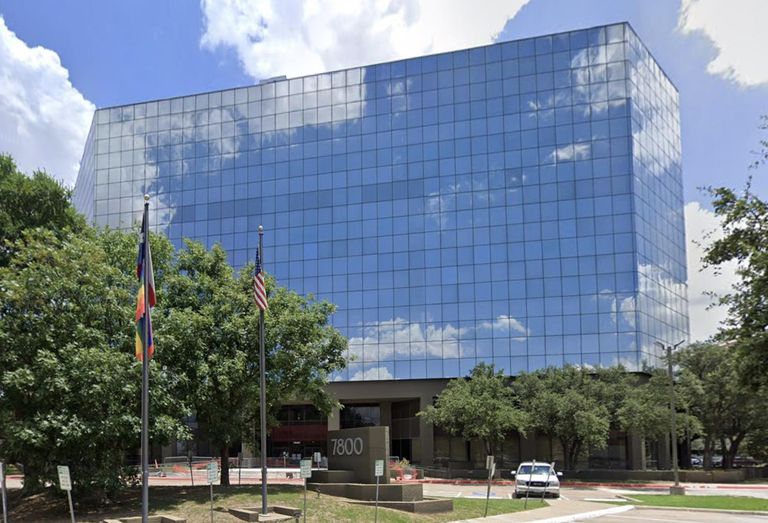
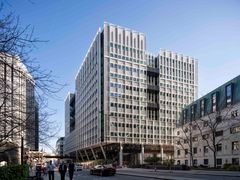
The 11-story building at 7800 N. Stemmons Freeway is costing the city $73K per month to maintain and secure due to code violations.
Dallas City Manager Kimberly Bizor Tolbert called the purchase, made under the city’s previous administration, a “waste” and told staff to suspend all real estate deals unless previously approved by voters or Dallas City Council, KDFW reported.
“For such a large, impactful real estate acquisition, the city failed to be as thorough as it should have been, and did not designate a clear project leader,” Tolbert wrote in a report issued Friday.
“It also [has] become clear that the city lacks a structured process for these types of investments.”
Very limited due diligence was done by city staff ahead of the office tower purchase, with officials receiving no disclosures from the seller, according to Tolbert’s report. A surface-level review of the building by JLL identified nearly $1.2M in repairs needed immediately and an additional $1.4M of work anticipated over the first 12 years of ownership.
The building also had major issues with its HVAC, electrical and plumbing systems and a host of compliance issues with the Americans with Disabilities Act.
The property was intended to be the city's one-stop permitting office, and more than 900 Dallas employees planned to move in. But 39 fire code violations were found after employees arrived, and the building was shut down.
To date, the city has spent around $29M on the building, according to the report.
“The decision to purchase 7800 N. Stemmons Freeway was neither strategic nor well-considered,” Tolbert wrote. “In retrospect, a more thorough evaluation of the building and its suitability for the city’s operational needs would have better positioned the city to make a more informed investment decision and mitigate long-term risks.”
With the city moving to an online land management system beginning May 5, a new building permit office is no longer needed, as planning and development staff will remain at the Oak Cliff Municipal Center.
Tolbert said she has instructed city staff to pursue selling the building for redevelopment.
As part of an effort to correct weaknesses in the city’s real estate processes and procedures, Dallas officials will work with CBRE to develop a master plan on how to proceed.
“The city’s Real Estate Master Plan will serve as a roadmap to guide future decision-making and investment across the city’s property portfolio,” Tolbert wrote.
“Implementation will involve prioritizing action items, aligning capital and maintenance funding, and executing key policy and process changes to improve asset stewardship, reduce unnecessary costs, and maximize the value of city-owned real estate.”