
Fulton Market's metamorphosis from a meatpacking hub into the place to be for young, well-paid professionals continues to evolve, even as a tough capital markets environment complicates investment across the city.
The area's strong fundamentals continue to draw cautious investors out of their cocoons. In a market where developers are finding it difficult to raise capital, Fulton Market remains one of the few locations in the city with ample interest, panelists said at Bisnow’s Future of Fulton Market Event at Continua Interiors on July 21.
“There's probably three markets in the entire city where the rents actually support the higher costs, and we are one of them,” Vista Property Group principal Hymie Mishan said.
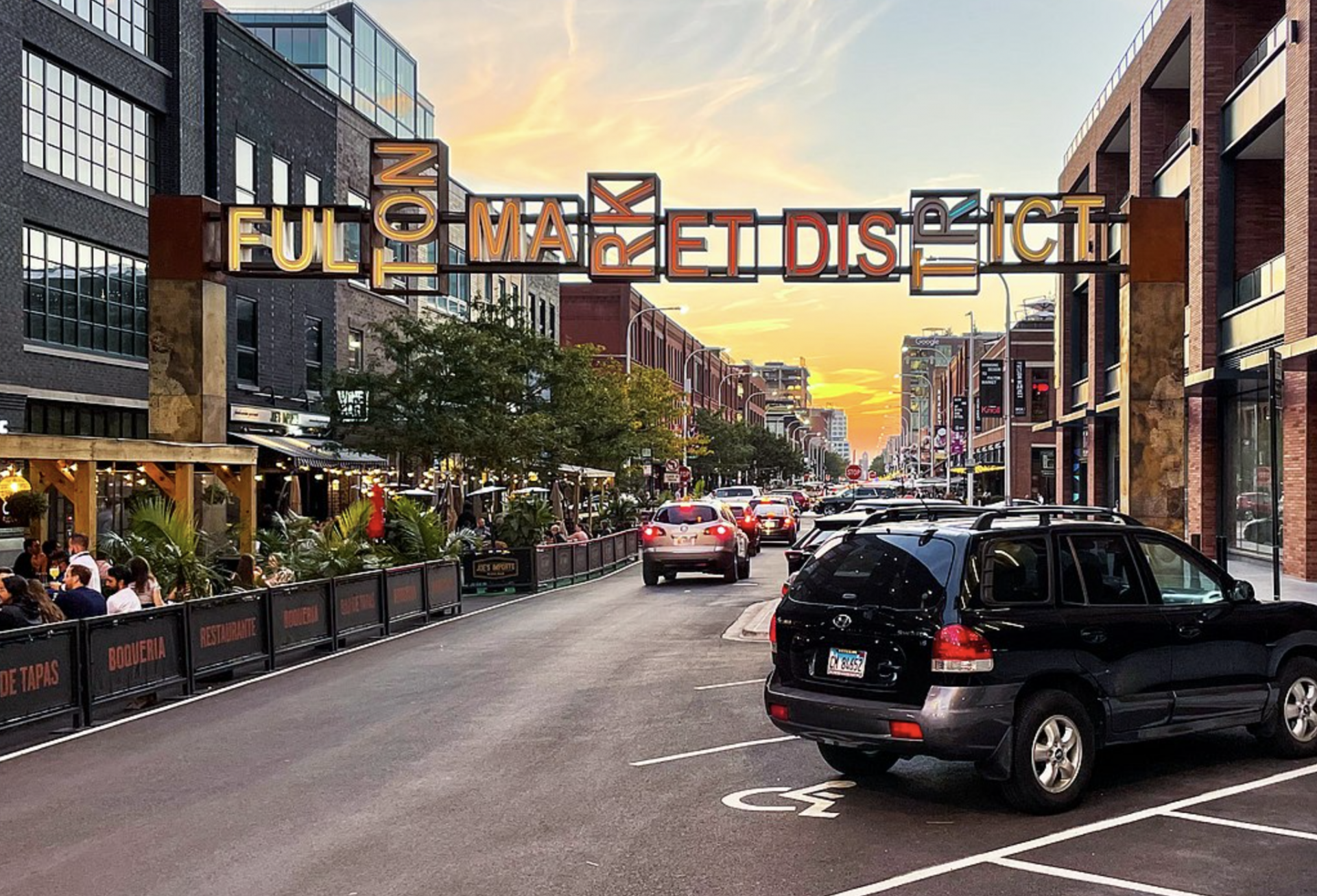
While developers are steering clear of building new apartments in Chicago at large, one exception has been projects in Fulton Market.
With a proposed pipeline of about 8,500 units, West Loop/Fulton Market alone accounts for more proposed apartments than the rest of downtown's submarkets combined, according to a Cushman & Wakefield report. The submarket also accounts for 1,280 of the 3,000 units under construction downtown.
Vista is about eight months away from delivering 494 units at Pearl Fulton Market, and early interest in the project is high, Mishan said. More than 1,000 people are on its interest list for the apartment building.
The Chicago submarkets that support development today include Fulton, Lincoln Park and River North, said Tom Shanabruch, senior vice president of capital markets at CRG. He doesn’t see that changing anytime soon.
“Development is going to continue to be clustered. It's going to continue to really go to the best sites and the best sponsors,” Shanabruch said. “It's not always worked that way, but for Chicago right now, for development, for all of us who have delivered projects and are owners in the city, that's good.”
That doesn’t mean it is necessarily easy to fundraise in Fulton. CRG completed construction on Stead 220, a 29-story multifamily project at 220 N. Ada St., and Shanabruch estimated the equity stack had 35 investors. There was a lot of “heartburn” to try to raise the last financing to get shovels in the ground, he said, whereas a typical project five years ago would offer a pick of institutional investors.
Still, the area's commercial real estate fundamentals are strong — even in the office sector. Fulton Market has the lowest office vacancy of any downtown submarket, at just under 15%, well below downtown’s overall rate of 25%, according to JLL's second-quarter report. Average asking rents also outpace the rest of the market by a significant margin: Fulton fetches about $72 per SF, while the next closest submarket is River North, at roughly $53 per SF.
Law firm Sidley Austin signed an agreement as the anchor tenant for Related Midwest's 45-story trophy office building at 725 W. Randolph St. in Fulton Market last month, as the developer moves to break ground on the first major trophy office building in Chicago in several years.
Geopolitical uncertainty and elevated costs are real headwinds for additional development, Mishan said, adding that even 90 days of rate stability would help deals get back on track. He argued the current environment has made developers sharper underwriters and that Fulton Market benefits from that shift more than almost anywhere else in the city, given how few submarkets can support rents at today's cost basis.
Other markets nationally that were once institutional darlings are now working through oversupply, offering months of free rent to fill buildings delivered years ago, which are concessions Fulton Market hasn't needed, Mishan said. He added that it is unusual to see conditions in other cities weighing on Chicago's investment climate, rather than the reverse.
The city’s favorable attitude toward development in the submarket should continue to help its growth. Walter Redmond Burnett, the 27th Ward alderman, said unpredictable processes make investors question whether their capital belongs somewhere else.
“We want to make it easier to build in Chicago, and not because developers need the favors but because unnecessary uncertainty is one of the biggest costs in development and ends up being the biggest cost for communities,” Burnett said.
)
)
)
)
)
)
)
)
)
)
)
)