
Boston is giving its office-to-residential conversion program another year to prove itself, but so far the results have been mixed.
Despite the city approving 15 projects since launching the Downtown Residential Conversion Incentive Pilot Program in 2023, only six are under construction and just one conversion has opened, prompting developers and industry experts to question if Boston is positioned to scale up the program.
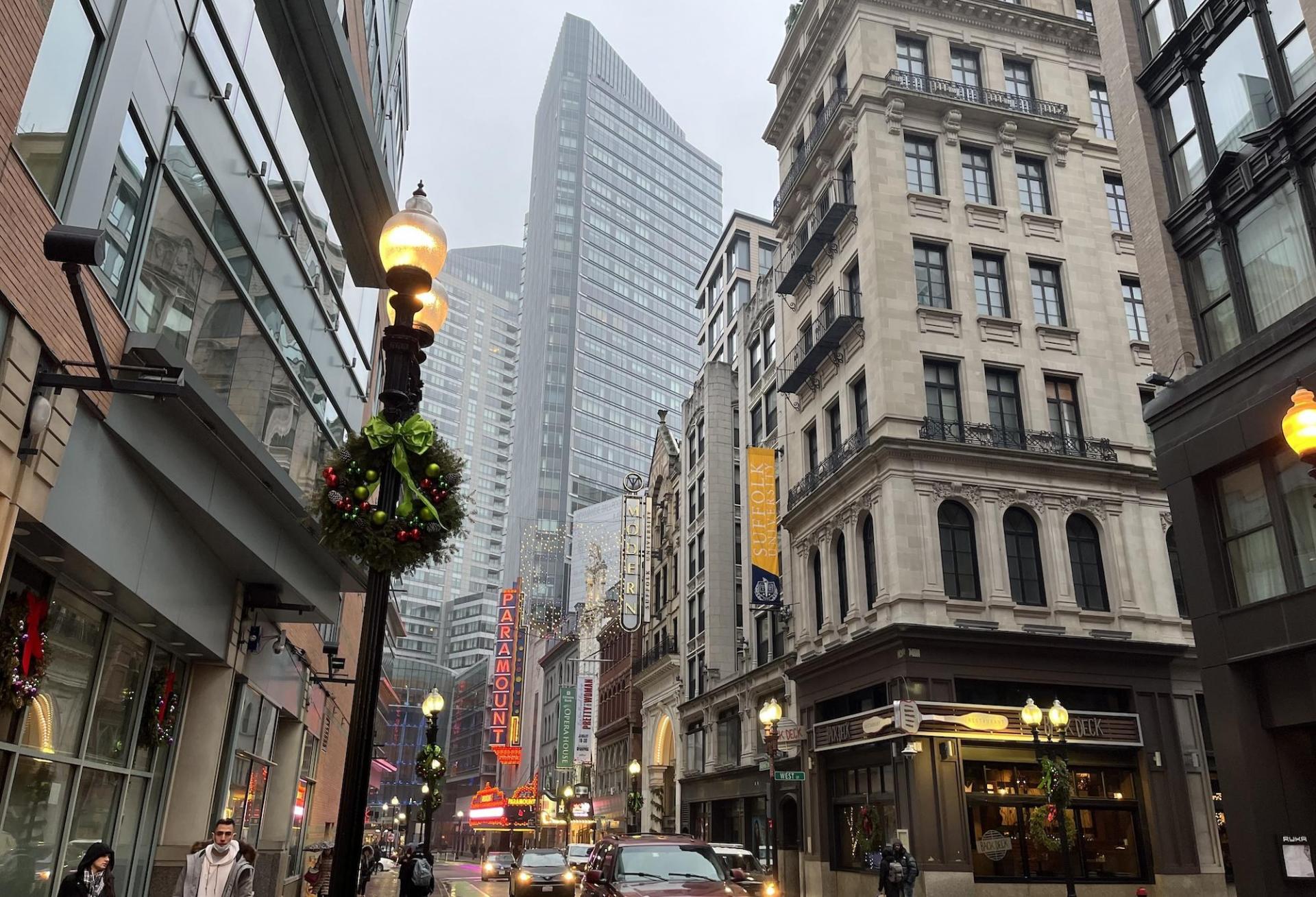
While other cities such as Washington, D.C., Philadelphia and New York have all seen larger-scale projects of more than 200 units, experts wonder if Boston will overcome the learning curve or continue to lag behind its peers.
"My speculation is that Boston is just a couple years behind New York," STO Building Group Senior Vice President of Building Repositioning Brooks McDaniel said. "Some people are interested in doing it but are being told, and being given bad information, that conversions don't work."
To this point, roughly 22 applications have been filed, translating to over 1,500 potential units and almost 1.3M SF of empty office space set to be converted, according to the Boston Planning Department. Of these units, 251 are under construction or have been completed.
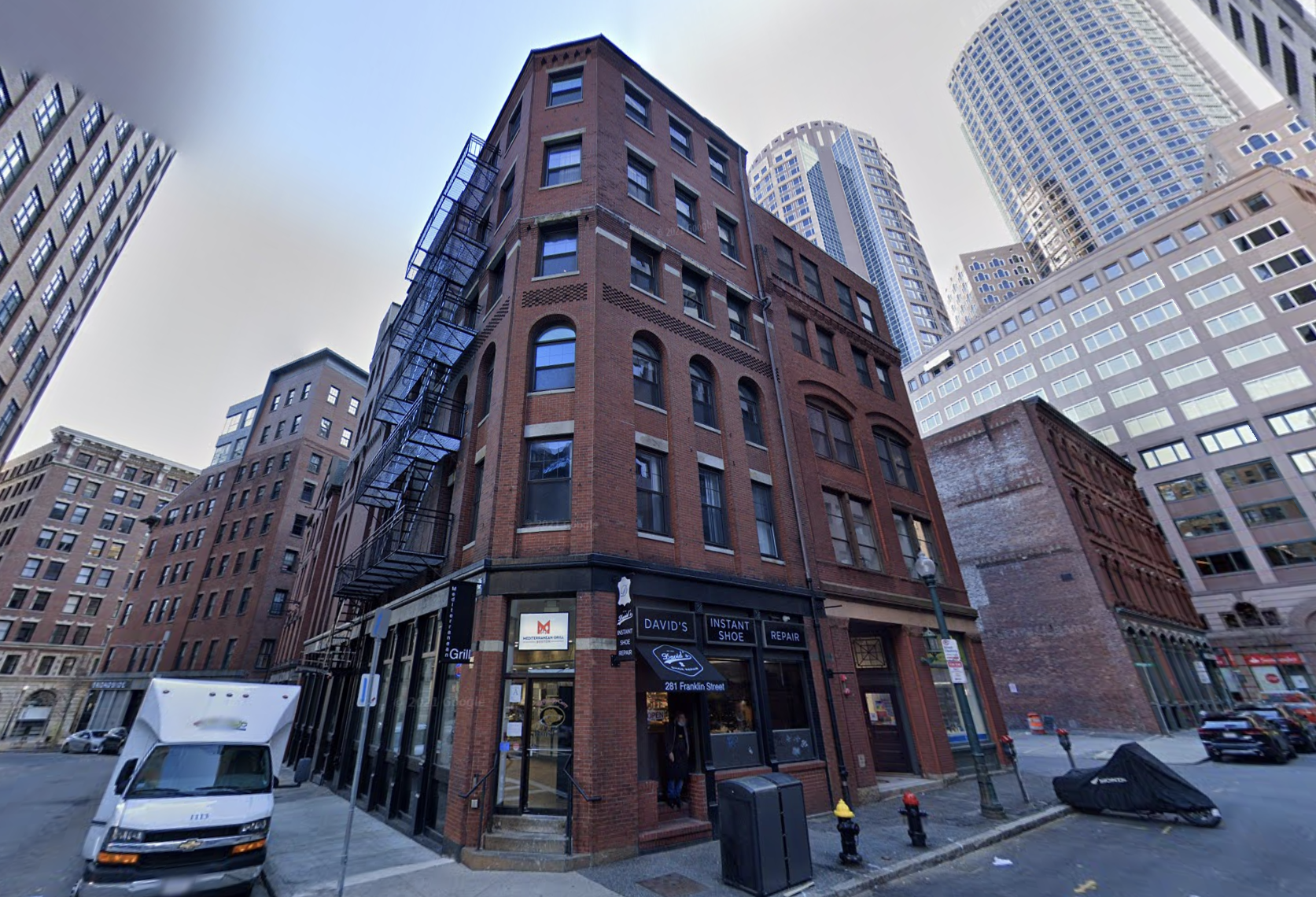
The first Boston office-to-residential conversion project to open its doors earlier this fall was Burns Realty & Investments' 15-unit 281 Franklin St.
With the city’s decision in December to extend the program, applications will now remain open until Dec. 31, 2026, and approved projects will need to pull permits and begin construction by a year later.
This is the second extension for the program. The first occurred in June 2024, when the city obtained an additional $15M from the state to incentivize larger-scale conversions.
The program offers developers a 75% tax abatement for 29 years for the converted buildings. Projects that fit the criteria also fall under special zoning rules under the PLAN: Downtown map and receive expedited permitting.
At the Boston Planning Department's monthly meeting Thursday, John Weil, the city's head of office-to-residential conversions, expressed enthusiasm for how far the program has come and discussed the value of an extension.
"The importance of extending the program by an additional 12 months through December 2026 is to continue to directly support owners, developers of older, underutilized office buildings and converting to new residential units, as the need remains in the market today in Boston,” Weil said.
The city of Boston declined Bisnow's request for an interview about the program.
But those championing conversions are less optimistic about the progress the program has made so far.
Nixon Peabody partner Jennifer Schultz, who leads the firm's National Permitting and Land Use Practice division, said she blames the slow pace of conversions on both the public and private sectors.
Some government levers haven't been pulled to make projects work, she said. Meanwhile, the private market hasn't fully accepted plummeting office values, making the case for conversions difficult.
Schultz said conversions can be a tool to help cities meet housing demand and curb office distress.
"It's a big win for the communities and the cities that need the housing and don't want the office distress," she said.
One possible reason Boston may be slow to convert excess office stock is there aren’t as many aged office buildings as in other cities, Schultz said. Most of the Seaport has been redeveloped within the past 20 years, for example.
With other buildings, the office market is still strong enough to be a better option than conversion.
Icon Architecture associate principal Kendra Halliwell and project manager Beth Moody are working on a 110-unit conversion project spearheaded by Dinosaur Capital at 31 Milk St. Moody said the Icon looked at other smaller projects in the area for potential conversion, but the deals just couldn't pencil.
"Even if you bought the building at an extremely reduced rate, the developers we were speaking to said to us that if you only have so many units they can fit in, the juice wasn't worth the squeeze," Moody said.
For some developers, going through the costs of converting is more of a hassle than just trying to find new tenants, Halliwell added.
"Why go through the effort of completely renovating and gutting a building, bringing in all new systems to put in a use that equals out to what you've already got in there?" she said.
Because of a prevailing narrative around larger buildings not being accessible for conversion, many developers believe the only assets that can be converted are prewar, low-rise Class-B and C buildings, Schultz said.
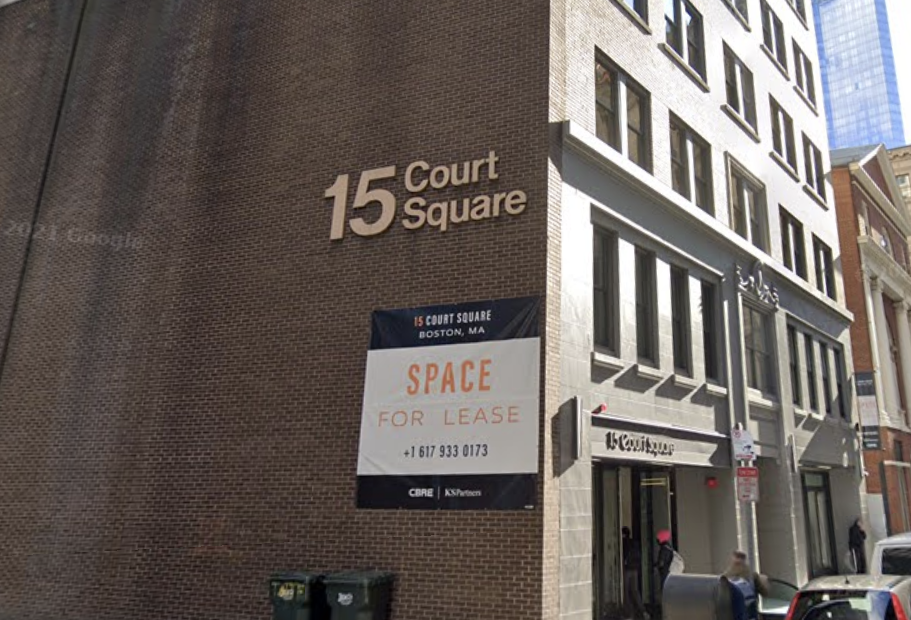
"That narrative has been successfully circulated and believed in Boston," Schultz said. "You're really cutting down what could be converted."
And while the program’s tax abatement has been key to attracting developers, it may not be enough to offset Boston's high cost of development and push for union labor, those interviewed said.
Other cities have begun to implement creative solutions to fill the financing gaps in deals or make the math work, Schultz said.
In Chicago, city officials rolled their LaSalle Street Corridor initiative, which has approved $260M in tax increment financing for five projects. In total, there are six receiving financial assistance, encompassing 1,765 units, 2M SF and $900M in investment.
Schultz said other cities, like Los Angeles and San Francisco, have waived or loosened affordability requirements to make the math for these projects work.
D.C. has ranked only second to Manhattan when it comes to the office-to-residential pipeline, with 6,533 units at the beginning of this year. Roughly 6.3M SF in the city was set to be converted into multifamily in the second quarter of 2025, according to a CBRE report.
For the District, office value depreciation, height limitations and the city's 20-year tax abatement program have helped create a boom of conversions. The significant increase has drawn attention from lenders wanting to get in on the action as traditional multifamily development stalls.
"I would say it's pretty strong here," The Davis Cos. Senior Vice President of Development Stephen Skolas said at Bisnow's D.C. Office Summit event in October. "Boston is getting there. I think everything's kind of a negotiation there, which is a little bit more difficult."
Compared to similar cities, Boston projects under construction are smaller, averaging around 61 units and 47K SF per project.
In Philadelphia, the city announced roughly 1,100 units under development in May across six projects, the Philadelphia Business Journal reported. All of these projects are over 100 units each, with two projects over 270 units.
Last year, Cleveland saw an unprecedented number of conversion projects underway, propelling it to become one of the leaders in conversions. The city had roughly 3.8M SF of projects underway or proposed, according to CBRE.
"There are dozens of examples in this country of major urban centers of significantly younger and taller than the five-story, prewar buildings where the numbers have worked," Schultz said.
There is still optimism in Boston's conversion program, and its success is starting to be slowly recognized.
Several additional conversion projects have been announced with the program’s extension, including Synergy's conversion of 294 Washington St., which consists of 185K SF and 253 units. The project would be one of the largest in the city if completed.
"Synergy views office-to-residential conversions as smart policy and has been working for years to make these projects viable, it is very challenging," Synergy Vice President of Investments Ryan Chamberlain said in a statement to Bisnow. "Conversions are complex and require a true public-private partnership to succeed."
Another large conversion project announced was Mahoney Development's 50 Congress St., which would convert 193K SF into 171 new units.
STO's McDaniel said the company has made plans to branch into Boston and expand its residential portfolio.
Even New York, which is working to convert 8.8M SF of office space to residential space, the Wall Street Journal reported, went through a learning curve as it ramped up the program. Boston just needs a couple of larger projects to get through its own learning curve, he said.
Large-scale projects are possible in Boston, but the right developer needs to show others it can be done, McDaniel said.
"Boston just needs one sizable conversion to happen, and then everyone else will say, 'Well, they figured it out. What do they know that I don't know?'" McDaniel said.
)
)
)
)
)
)
)
)
)
)
)
)