The U.S. Department of Housing and Urban Development is initiating an investigation into Wells Fargo's mortgage lending efforts over commitments the bank made to bolster Black homeownership for nearly a decade.
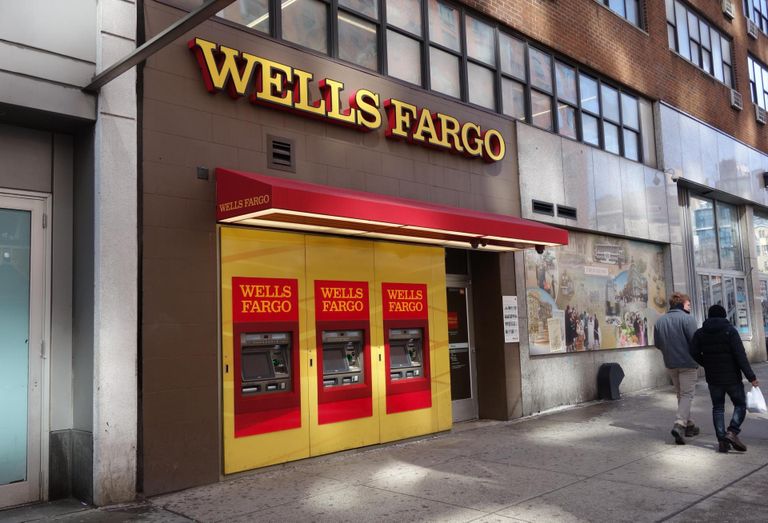
HUD sent Wells Fargo CEO Charlie Scharf a letter Wednesday saying federal officials would probe whether the bank violated the Fair Housing Act through its attempts to boost minority homeownership.
The bank has made multiple attempts to aid Black homeowners in recent years.
In 2017, Wells Fargo announced that it would commit $60B in loans to add at least 250,000 Black homeowners by 2027, according to The Wall Street Journal. In 2022, it unveiled a $210M effort to expand racial equity in residential lending following a Bloomberg investigation that found the bank approved Black homeowners applying to refinance at a significantly lower rate than white homeowners.
A Wells Fargo spokesperson declined to comment on the investigation.
HUD alleges that by 2022, the bank "fully embraced sorting homeowners" and offering different products or terms based on race, wrote Craig Trainor, assistant secretary for fair housing and equal opportunity at HUD.
"Although Wells Fargo scrubbed its website of “DEI” references in 2025, the bank’s obligations under the Fair Housing Act rise or fall based on actual practices, not buzzwords or website aesthetics," Trainor wrote in the letter.
Wells Fargo has walked back other diversity, equity and inclusion practices over the past couple of years, scrapping a policy in 2025 that had mandated diverse candidate pools for senior-level roles.
Trainor wrote that the bank's public statements, commitments and reports call into question whether it continues to make loans and craft terms based on the race of the applicant.
HUD is also reviewing similar initiatives from other banks, an agency official told WSJ.
The investigation reflects the persistent pressure the Trump administration has put on companies to stand down from DEI practices, which has affected how CRE companies do business.
Landlords stand to risk losing federal leases if they're found in violation of anti-DEI policies. Commercial real estate companies have wiped DEI language from their websites. And CRE C-suites became less diverse in 2026 after five years of gains.