Houston multifamily insiders say at long last, it’s time to capitulate.
However, when the wave of foreclosures will crest remains a mystery, and lenders may not be enthused to wipe out equity, especially when it could lead to removing some of the city's housing from the stock.
Lenders typically can’t sell older, substandard Houston apartment complexes for the value they lent on them three or four years ago, so they end up operating the properties themselves after foreclosure.
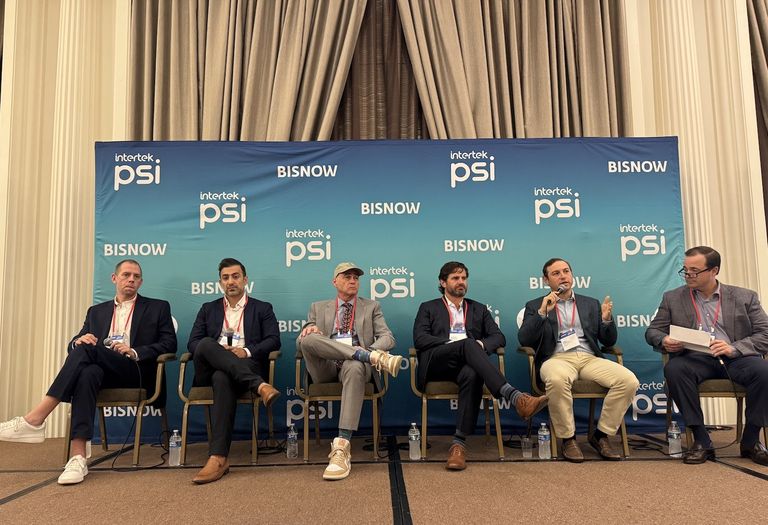
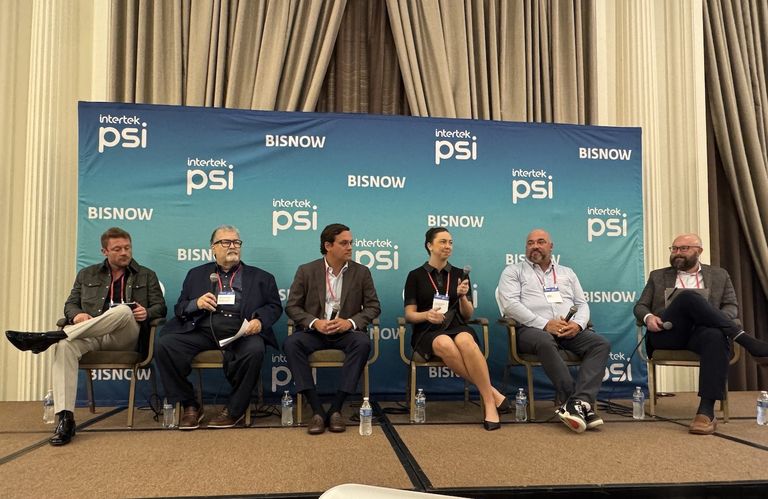
Many lenders have no operations experience. In some cases, shutting down the property becomes the most financially sound solution, Urban Genesis founder Matt Shafiezadeh said at the Bisnow Multifamily Annual Conference Houston on Wednesday.
“You have '60s and '70s stock that is going to start getting boarded up,” Shafiezadeh said at the Hilton Post Oak. “They already are.”
In the Southwest Houston area, properties were financed at $100K per door. Borrowers couldn’t pay their loans once interest rates shot up, and lenders have taken possession.
“They can't run it,” Shafiezadeh said. “It's running at 50% occupancy, and at some point, it becomes less expensive to just turn it off. That's happening.”
But that’s only the case in a fraction of Houston’s distressed multifamily properties so far.
Lenders have been extending and pretending for years. Now, capital markets factors like the increased interest rates and an extreme lack of equity may force them to face reality, increasing the rate of foreclosure sales and investment opportunities, panelists said.
“Every sponsor will look at their portfolio, look at their capital stack, and be forced to make tough decisions,” The Morgan Group CEO Philip Morgan said. “We've been holding on, holding on, holding on, and let's just get this over with.”
It won’t be immediate. The general dealmaking environment has only worsened over the past three years, he said. It’s hard to even talk about potential transactions, as most operators are in defense and asset-management mode.
But in the next year or two, Morgan said he predicts that many tough decisions will be made.
“The mood is so negative,” he said. “If you can just get through this, it feels like maybe now we're finally setting up for a true recovery. I think there's going to be real capitulation.”
There is as much as $757B in U.S. multifamily debt that will come due between now and 2028. That could imply that there will be more than $700B worth of foreclosures, but that will never fully amount because banks and sponsors find other solutions, Lincoln Property Co. Executive Vice President Gabe Lerner said.
Maybe half of loans maturing each year will end up real estate-owned, he said. This could create interesting buying opportunities for investors, especially those funded by atypical equity sources like family offices or hedge funds.
“It’ll be half. It won’t be as bloody,” Lerner said. “I hope it is a little bit, so we get to do some things in Houston, which is my favorite market in the country to do multifamily.”
Houston multifamily benefits from the region’s consistent population growth, which leads the U.S., he said.
That population growth is not enough to substantially boost rents as Houston works its way through a supply wave, though. The average asking rent in Houston was $1,368 in the second quarter, down slightly from $1,380 a year earlier.
About 13,000 units were under construction in Houston in the second quarter, which is down almost 30% year-over-year, according to Colliers.
“We are clearly closer to the end of the supply than we were two years ago,” Morgan said. “Starts have really not come back in a material way. We're seeing less competition on land sites.”
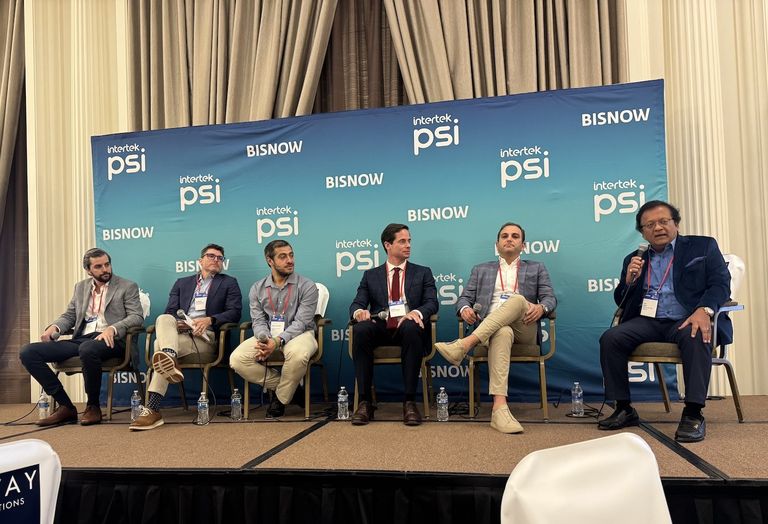
Houston also didn’t overbuild as much as other markets, like Austin, this cycle. While rent growth isn’t widespread, it is happening for the highest-end properties in unique locations, he said.
But the sentiment in Houston multifamily is still less than stellar. Equity doesn’t want to be in the space, in some cases because they haven’t been paid back from previous deals, Lerner said.
“The recycled capital isn’t there,” he said. “So until that happens, and some other things happen, it's going to be bleak for another year.”