Portions of the hospitality market revived earlier this year as leisure travelers returned to many cities, but true recovery seems a long way off and the coronavirus pandemic may still leave permanent damage. Travel shutdowns forced millions of bartenders, room cleaners, wait staff and others out of the hospitality business, and bringing them back may not be easy even after most travel resumes.
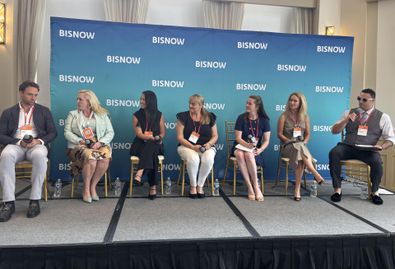
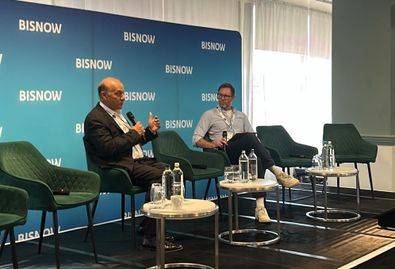
“If you’re thinking it just reverts to 2019, I’ll bet you’ll be surprised,” First Hospitality CEO David Duncan said last week during Bisnow’s in-person Chicago Hospitality Update.
:no_upscale():quality(75))
The onset of Covid-19 accelerated a number of existing trends in society, such as the adoption of Zoom and other online technologies among office users. Duncan and other experts said it may also hasten long-term labor market trends, especially a growing reluctance among Americans to take up hard manual labor. As with many other occupations over the past few decades, new immigrants may hold the key.
“Let’s face it, what we all went through in the past year and a half was horrible, but we largely did it with our families, in our homes, with home-cooked meals,” ACE Hotel Group President Brad Wilson said. “There is a part of that which is very attractive, and it makes it hard to say, ‘I’m back to 10 hours a day of bartending.’”
Like many hotel operators, Wilson said he became accustomed to staffing up key positions in hotel restaurants with young people who tended to share housing with their peers. The pandemic broke up those arrangements.
“During Covid, many said, ‘Why am I paying for this apartment in Brooklyn when I can live in my parents’ basement for free and get my mom to cook for me? And right now, mom’s cooking is good and the basement is comfortable, so it’s going to be a little bit before I go back and take the $18 and see if I get tips.’”
:no_upscale():quality(75))
Wilson said it is difficult for some hotel operators to fully recognize the problem because right now, being short-staffed can mean big profits — a welcome change after watching revenues plunge throughout 2020.
“We have a hotel in Palm Springs that is outperforming 2019 and we have margins that are insane, like 38% in food and beverage, which we’d love to continue, but it’s not sustainable," he said. "I have managers who are there 18 hours a day and they’re also serving.”
“Sooner or later, they’re going to say, ‘You know what, I’m going to not just quit this hotel, I’m going to leave this industry because I don’t want to work 18-hour days,’” Aimbridge Hospitality Chief Development Officer Greg O’Stean said.
Wilson added that over the long term, the industry might find Americans are simply no longer interested in working in hospitality.
“That’s what The New York Times keeps saying,” he said. “And maybe the thing to learn from Covid is that America needs immigration.”