Mayor Michelle Wu's proposal to increase commercial property tax rates is one step closer to becoming reality.
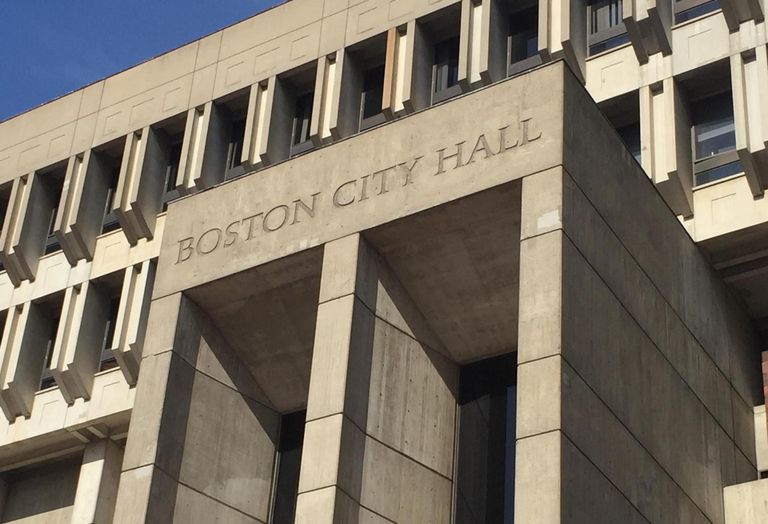
Boston's City Council on Wednesday voted in favor of the amended proposal, which would increase the tax burden for commercial properties to 181.5% that of residential property owners, the Banker & Tradesman first reported. The tax shift was first proposed by Wu in April to cushion residents from skyrocketing property taxes as office values continue to plummet.
Wu still needs approval from both chambers in the state legislature before it can be signed into law by Gov. Maura Healey. The city has until the end of November to get the measure approved before tax bills go out to property owners.
City Councilor Ed Flynn was the sole 'no' vote, instead asking why the city doesn't make budget cuts, including to its public school transportation costs.
The approved proposal would increase the tax burden on commercial properties from 175% of residential properties to 181.5% in fiscal year 2025 and then step down to 180% in FY 2026 and 178% in FY 2027. The plan would also raise personal property tax exemptions for small businesses from $10K to $30K.
The shift came after Wu reached a compromise with a group of business leaders from the Greater Boston Chamber of Commerce, Massachusetts Taxpayers Foundation, NAIOP and the Boston Municipal Research Bureau. The group filed a letter earlier this month stating their support for an increase of the commercial tax burden to 181.5% of residential.
Wu previously proposed to shift the burden to 200%, but that plan stalled in the Senate before the close of its legislative session this summer. However, Wu still rallied for the proposal by hosting a town hall and negotiating with business leaders and Senate President Karen Spilka.
The proposal is an effort to stabilize the city's tax revenues, as one-third of its budget comes from commercial property taxes. Office buildings are seeing significant losses in value, with preliminary assessments this week showing a $450M decrease in valuation from fiscal year 2024 to 2025 for the 20 largest office buildings.