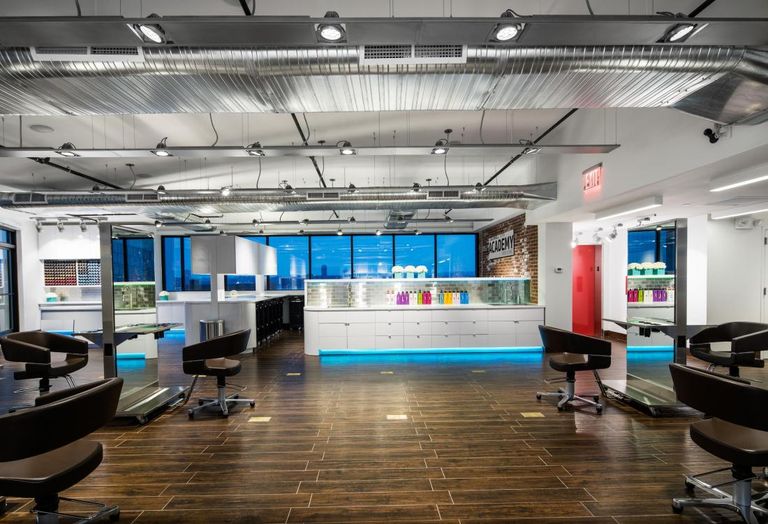
Workplaces across the globe are becoming more collaborative, technologically sophisticated and departmentally integrated to foster innovation and attract talent.
Offices with designs conducive to these goals, like the co-working providers continuing to gain popularity, are commanding higher rents and tenant retention rates. Modern offices are simultaneously empowering their tenants to solve complex problems and challenging conventional offices to create engaging environments.
Universities, wishing to promote the exchange of information and ideas while easing their graduates' transitions to the working world, have begun incorporating office design elements.
"We're noticing that major research institutions have adopted aspects of office design," Talisen Construction Business Unit Director Jerry Belfiore said. "This allows them to prepare the next generation of business leaders."
Large research universities and small liberal arts colleges alike are emphasizing these three elements of modern office design.
1. Collaboration
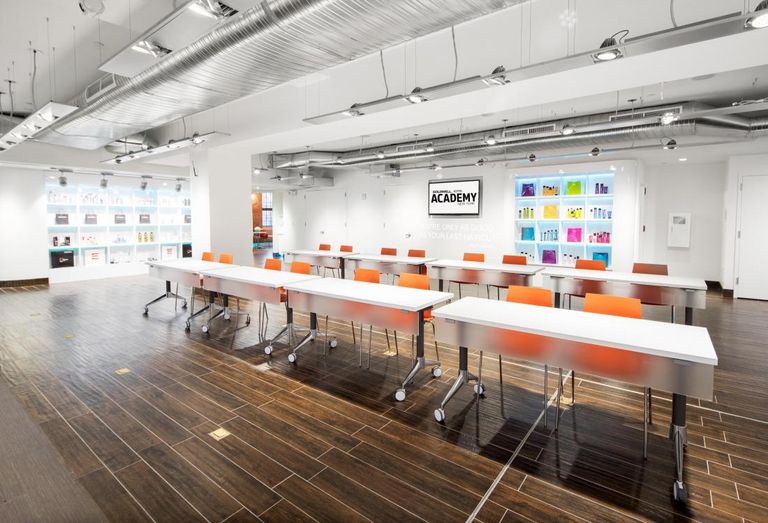
Offices are using open floor plans, modular furniture, ample conference rooms and communal gathering spaces to promote collaboration. They are also investing in digital collaboration tools like video conferencing and document-sharing software.
New university facilities also offer a higher number of breakout spaces and informal group work areas. The University of Central Oklahoma’s Center for Transformative Learning boasts an educator-driven design that is aimed primarily at forwarding student cooperation and group work.
2. Technological Sophistication
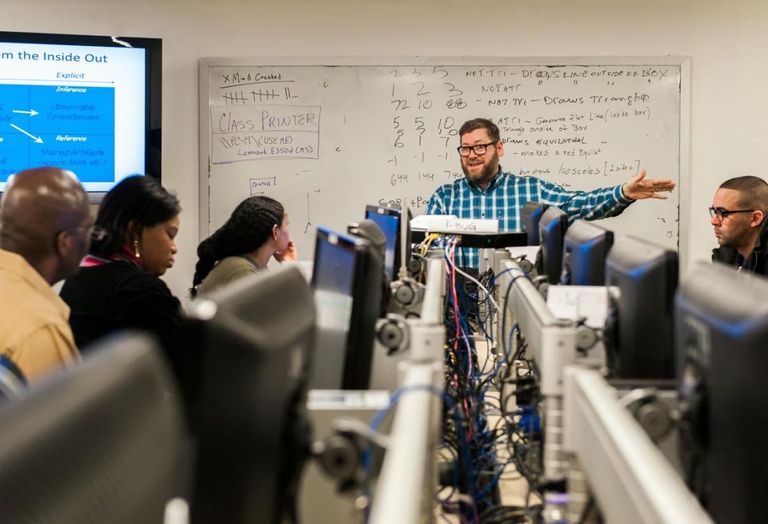
Sound digital infrastructure is no longer considered an amenity in offices, but a necessity. Just as corporate tenants look at a building’s Wired Certification when choosing space, prospective students are on the lookout for sophisticated digital infrastructure when touring campuses. Eighty-seven percent of prospective undergraduate students, who hail from a generation of digital natives, said a technologically savvy institution was important to them.
Universities are responding with technologically integrated audiovisual learning tools, sensors in halls and classrooms to gauge attendance and modulate lighting and seamless WiFi connectivity everywhere.
“Installation of state-of-the-art technology requires foresight, and is easier to include with new construction than with a retrofit or renovation,” Belfiore said.
Exemplifying this trend is Bentley University’s new interdisciplinary 85K SF Jennison Hall, which prioritizes digitally equipped communal space in its design.
3. Integration
Having siloed departments that fail to communicate is detrimental to companies, lowering employee morale, productivity and efficiency.
Many corporations and colleges are striving for greater departmental integration. This promotes knowledge transfer and leads to fruitful partnerships. As universities mold their programs and curricula to be more interdisciplinary, addressing big problems like global health, sustainable energy, climate change and cybersecurity, the built environment must change to reflect this shift.
“New construction aims to be interdisciplinary, to enable students to tackle today’s complex political, scientific and social issues,” Belfiore said.
Consolidating university departments under one roof also allows professors and faculty of related disciplines to interact and better teach students.
“Columbia’s Manhattanville campus is designed to bring together a diversity of academic disciplines to address the great questions facing our society,” according to the expansive project’s website.
Information sharing facilitates the exchange of ideas and leads to pioneering research and development. It also helps students develop new skills that can be used to build careers post-graduation. With the average new graduate’s student debt registering over $37K, students are picking universities that prioritize applicable job skills and confer degrees with high returns on investment. It is unsurprising that ROI, rankings and selectivity are closely correlated.
To learn more about this Bisnow content sponsor, click here.