The Baltimore-area industrial sector posted a net occupancy loss in a quarter for the first time in several years, according to a new report, as the supply of new buildings outpaced absorption and vacancy rose.
Still, local industrial experts said those figures don’t paint the full picture of the sector’s overall health. Researchers, developers and brokers said a closer look at the market shows newer industrial buildings are performing well and there is enough demand to satisfy the millions of square feet under construction.
:no_upscale():quality(75))
"We have a surprisingly healthy market where [rental] rates are stable, if not climbing … we've had a little bit of a slowdown in demand for sure, but we still don't have enough inventory," said Chesapeake Real Estate Group principal Jim Lighthizer, a Hanover-based industrial developer.
JLL’s fourth-quarter market report found that the overall industrial sector experienced about 345K SF in negative net absorption at the end of last year, the first quarter of occupancy loss since 2017.
However, that occupancy loss primarily resulted from Class-B and Class-C properties struggling. Those older properties suffered 432K SF in occupancy loss in the final three months of last year. The Class-A market held its own, posting an occupancy increase of over 88K SF in Q4.
“It's easy to look at a negative number and say, ‘Oh, wow, why would they be [building so much new supply], but then once you start peeling back those layers, you start to see why somebody might need new product,” JLL Senior Research Analyst Ben Caffey said.
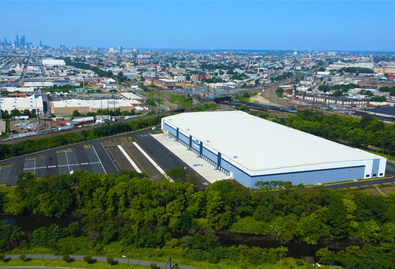
Developers delivered 5.1M SF of new industrial space in the region last year, according to JLL's report, the most since 2019. But tenants have already leased 50% of that space, the report said.
The number of speculative projects underway increased during Q4, according to JLL, with two projects breaking ground totaling about 670K SF. The total amount of industrial construction underway at year-end was down 28% from one year before, but nearly 60% of the roughly 3M SF under construction in the metro area is pre-leased, Caffey said.
“To take that [leasing activity] into consideration, I'd say that future gains are coming in what's under construction and pre-leased right now,” he said.
:no_upscale():quality(75))
Developer Trammell Crow Co. ranks among the metro area's most active speculative industrial builders. The firm expects to deliver a fully leased 135K SF facility in Landover this June as well as another 350K SF facility in Hanover by the end of the year, a project that Trammell Crow Co. principal Chris Rodriguez said has attracted a “considerable amount of interest.”
While Trammell Crow Co. pays more attention to “micro markets” when considering speculative development, Rodriguez said, the firm remains bullish on the overall Baltimore-area industrial sector.
“Though we have seen some softening in demand from bulk industrial tenants compared to the unprecedented demand during the pandemic, tenant demand for modern logistics product in Baltimore’s traditional infill markets remains very strong,” Rodriguez said in an e-mail.
Logistics Property Co. Senior Vice President Mark Glagola said he’s seen a slowdown in demand for industrial space but noted that drop-off is relative to the "frenzied" level of demand following the start of the coronavirus pandemic.
"We have a significantly limited supply," Glagola said. "We’ve basically run out of ground, or developable approved ground, and there are reasons for that. We're a very mature area. We have very tight zoning and planning regulations. But the ability to deliver new product is greatly reduced, even though the demand for it remains pretty healthy."
:no_upscale():quality(75))
Lighthizer also said there has been a slight dip in demand, but he attributed the slower activity to e-commerce companies scaling back their leasing and buying sprees since the start of the pandemic.
“The [companies] that needed to grow their footprint to accommodate the demand coming into Covid, most of them went out and found facilities to serve their customers,” he said.
Despite the strength of the Class-A market, the struggles of smaller, older industrial properties with occupancy losses could cast a pall over an otherwise healthy sector. Caffey estimated that 48% of industrial properties in the Baltimore area were constructed before 1990.
1788 Holdings principal Larry Goodwin said his firm focuses on light industrial spaces where companies build products or provide client services. As a result of economic uncertainty and lenders' “predisposition to sit on their hands,” leasing activity in that portion of the local industrial market has nearly vanished, he said.
"We had great demand right up through, say, November, and then there has been almost no tours requested. [There’s] nothing going on in terms of tenants in the market," Goodwin said.