As online shopping spurred Amazon's massive expansion since the beginning of the coronavirus pandemic, the online retailer has absorbed so much warehouse space that it is creating shortages in many North American markets.
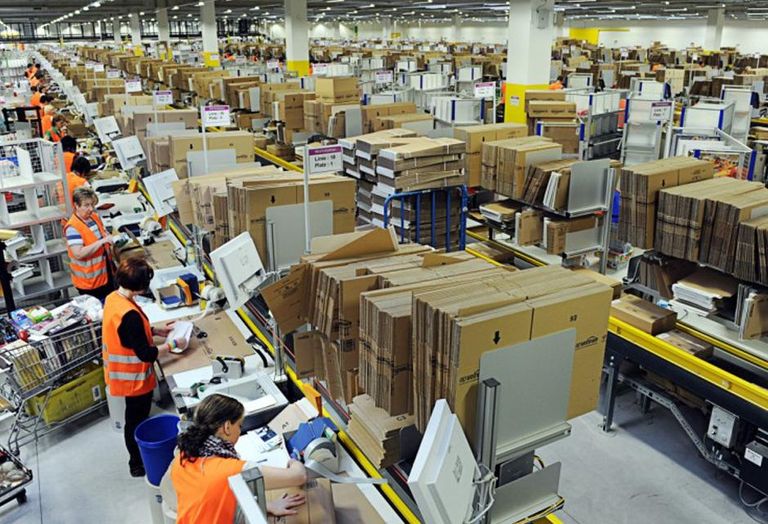
The shortages are particularly acute in Canadian industrial markets, with Toronto, Montreal, Vancouver and Victoria, British Columbia, among the tightest warehouse markets in North America, according to Toronto-based Colliers International data, as reported by Bloomberg.
Since the end of 2019, the e-commerce behemoth has absorbed nearly 12M SF in nine major Canadian markets. The Toronto market now has a scant industrial vacancy rate of 0.5%.
Some U.S. markets are exceptionally tight as well, such as Los Angeles (1.8%), Salt Lake City (2.2%), and central and northern New Jersey (2.7%), according to Colliers data. The U.S. industrial vacancy average is 5.5%.
Tight markets might mean difficulties for would-be tenants or existing users who need to expand as the economy does, but for industrial space owners, times have been quite good since the pandemic hit, Colliers also reports.
Occupancy gains totaled the third-highest on record in the United States in 2020, a year that was only the cherry on the sundae for landlords. U.S. industrial has experienced 43 consecutive quarters of positive absorption as of Q1 2021.
Markets nationwide are thriving, with millions of square feet of industrial real estate built and absorbed. This year will probably be another strong year, with demand and construction activity at all-time highs, Colliers predicts.
Among industrial markets that will be particularly strong this year are Austin, Texas; Indianapolis; Las Vegas; Memphis, Tennessee; Salt Lake City; and Savannah, Georgia, according to Colliers.
The heated industrial market is also driving property valuations upward. The latest Green Street Commercial Property Price Index found that overall U.S. commercial property prices increased by 0.5% in April, a movement entirely driven by a 5% rise in industrial prices.
The company's all-property index is 5% below pre-coronavirus levels, but industrial, manufactured housing and self-storage values are higher than before the pandemic, while lodging and retail values are still down by more than 10%.